In warehousing, logistics, and loading/unloading operations, forklifts frequently traverse uneven or complex terrain, subjecting tires to significant loads and impact forces. Abnormal wear not only impairs operational efficiency but also increases operational costs and may pose safety hazards. Based on practical usage scenarios, this analysis systematically examines the primary causes of abnormal forklift tire wear and provides corresponding usage recommendations.
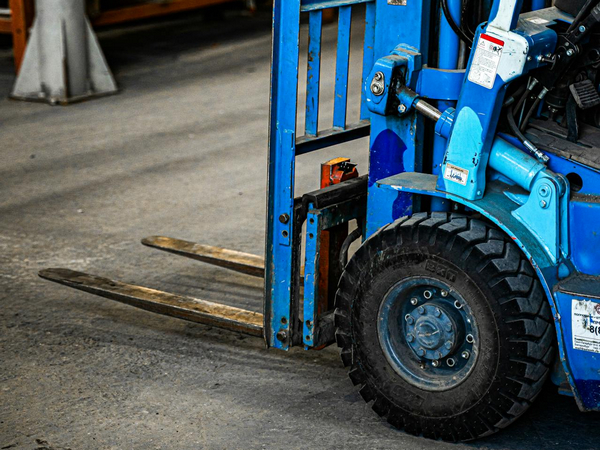
I. Abnormal Tire Pressure
Under specific load and driving conditions, tires must maintain appropriate pressure levels.
· Underinflation: Increased radial deformation causes greater contact between the tire shoulder and ground, leading to “bridge effect” and resulting in serrated or wavy tread wear. Simultaneously, repeated deformation of internal cords causes fatigue damage, rapid temperature rise, and potential blowouts in severe cases.
Studies indicate that fuel consumption increases by approximately 20% when tire pressure is 20%-25% below the standard value.
· Overinflation: Concentrated stress on the tire crown reduces contact area, accelerating center tread wear. Excessive force on the cords increases the risk of breakage, shortening tire lifespan.
Maintaining proper inflation pressure is crucial for extending tire life and reducing fuel consumption.
II. Excessive Speed
Under identical load and pressure conditions, increased speed elevates tire deformation frequency and vibration intensity. This generates greater friction heat per unit time, potentially causing carcass layer rupture or tread separation, thereby accelerating wear.
When operating within factory premises or warehouses, forklifts should maintain reasonable speeds and avoid high-speed driving.
III. Chronic Overloading
Overloading significantly increases tire carcass deflection, causing cord and ply stresses to exceed design limits. This predisposes tires to cord breakage and delamination.
Overloading's impact on tire life is particularly pronounced during turns or on uneven surfaces. Practical data indicates:
· 20% overload reduces mileage by approximately 35%.
· A 50% overload reduces mileage by approximately 59%.
· Overloading by more than 100% may shorten service life by over 80%.
Strictly controlling load capacity is a critical measure to prevent abnormal tire wear.
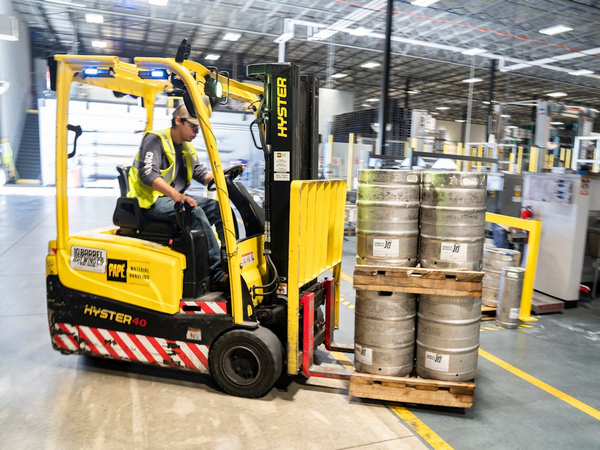
IV. Road Condition Impact
Rough surfaces increase friction and impact loads on tires. Foreign objects like nails or stones can embed in tread grooves, causing mechanical damage. When operating long-term on harsh roads, regularly inspect the tread and promptly remove foreign objects.
V. Effects of High-Temperature Environments
High temperatures reduce rubber's tensile strength and adhesion properties, accelerating rubber aging. Aged tires are more prone to tread tearing or carcass separation during skidding or obstacle encounters.
When operating in high-temperature environments, intensify tire condition inspections and avoid continuous, prolonged high-load operation.
VI. Oil Contamination and Chemical Corrosion
Prolonged exposure to oils, acids, alkalis, or high temperatures alters a tire's physical and chemical properties, reducing its load-bearing capacity.
Oil corrosion may cause the air seal layer to peel off or the bead rubber to detach, making repairs difficult. Therefore, promptly clean tires in oily environments to minimize corrosion risks.
VII. Improper Tire Matching
Due to differing load distributions between front and rear axles, drive wheels and steering wheels experience varying wear rates. Using tires of different manufacturers, specifications, or tread patterns on the same axle accelerates uneven wear.
Additionally, failing to rotate tires regularly leads to uneven load distribution, shortening overall service life.
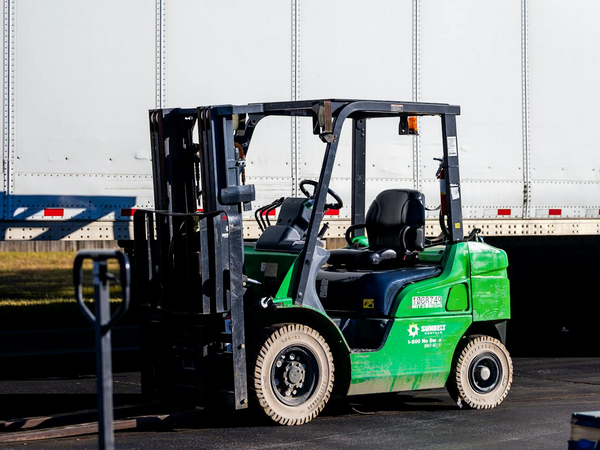
As critical components for load-bearing and mobility, forklift tires directly impact vehicle stability and operational costs. Maintaining proper inflation pressure, avoiding overloading, matching tires appropriately, and conducting regular inspections and maintenance are effective measures to reduce abnormal wear and extend tire life.
Through scientific management and standardized operation, not only can forklift efficiency be enhanced, but maintenance costs for enterprises can also be reduced, ensuring safer and more stable operational performance.
LIUGONG 856E-MAX Electric Loader Green Times Trendsetter!

CRUKING 2023 Christmas & New Year's Party
CRUKING Visited International XIAMEN Stone Fair
Flagship XCMG Machinery Equipment Features in Sci-Fi Blockbuster
CRUKING Visited the XGMA factory

CRUKING Luoyang Historical Outing

Chinese Excavator Export Boom in Indonesia Explored
CRUKING Visited the JINGONG Plant
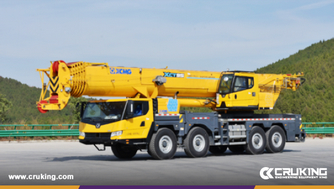
Sneak Peek! XCMG XCT95L7 Crane Strength Leader

CRUKING Outing

Century Project! XCMG Excavators Help Build China-Russia Natural Gas Pipeline
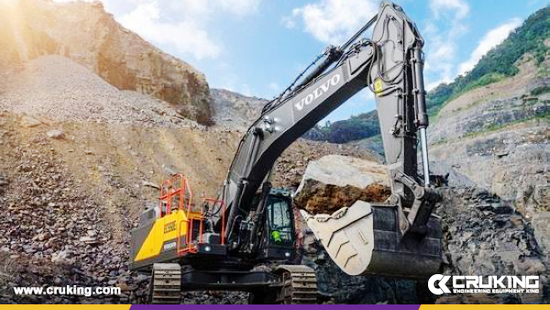
VOLVO Launched the EC530E and EC550E Two 50-ton Excavator
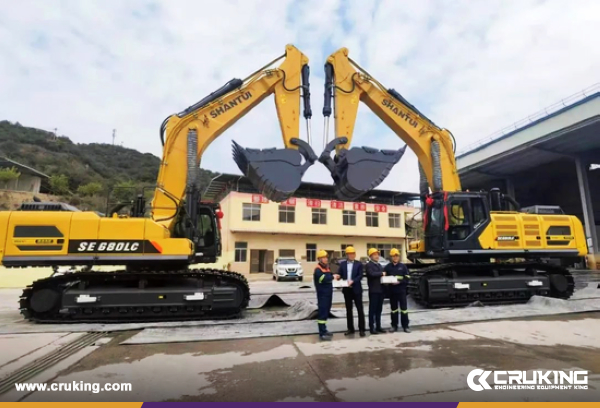
SHANTUI Mining Excavator Batch Helps Southeastern Coastal Mine Development
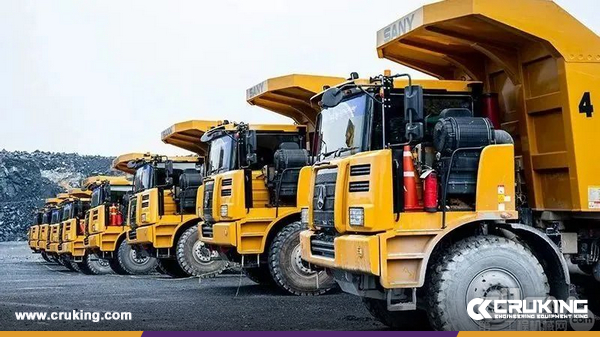
SANY's "10 Billion Club" Added Another Member!

CRUKING | KATOSCE HD27 Mini Excavator
SEM Machinery F Series
ZOOMLION Hydraulic Crushing Hammer ZHB220

SHANTUI LH60-G Redefines the New Standard of High-End Hydrostatic Loader!
Hundreds of XCMG Aerial Work Platforms Sent to "One Belt, One Road"

CRUKING Mount Wuyi Outing

SANY SR235M, A Powerful Tool for Pile Foundation Construction
CRUKING | KATOSCE 18VX Mini Excavator
CRUKING | HANGCHA CPC35 Diesel Forklift
The Impact of Rising Oil Prices on Construction Machinery Industry
Orders Delivered! Hundreds of XCMG Wheel Loaders Shipped to "The Belt and Road Initiat
How to Choose a 50 Ton Hybrid Crane ?
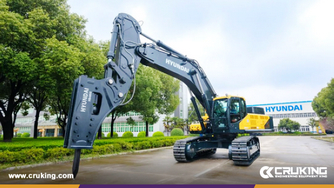
【HYUNDAI Special Assembly】Heavy Load Crusher R600BKVS
SANY's Q3 Report Review: Overseas Markets Continue to Make Efforts
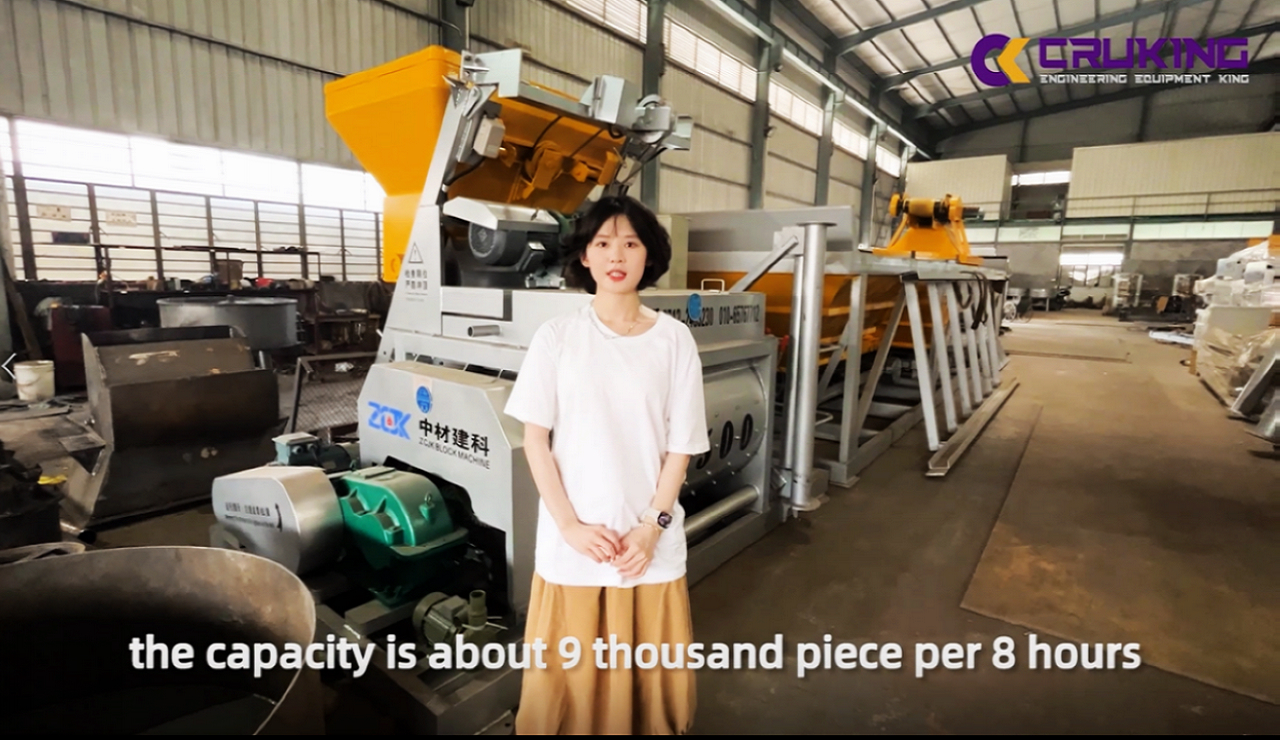
CRUKING | ZCJK QTY4 25 Brick Forming Machine
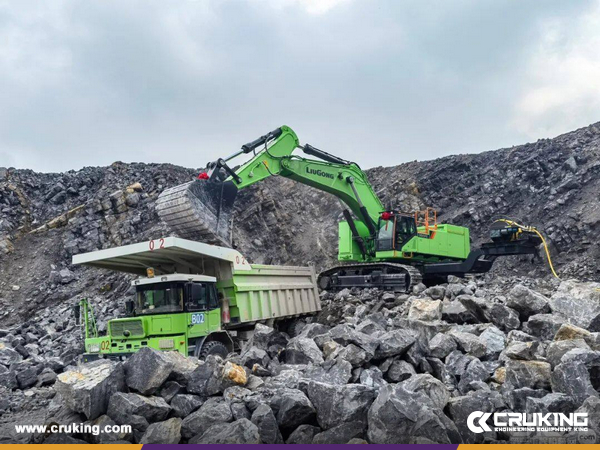
LIUGONG's Largest Electric Excavator 995FE Debut
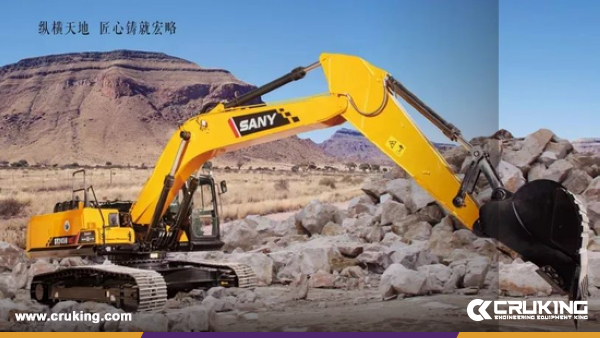
Real Data | SANY SY245HSIC Wins Reputation by Strength
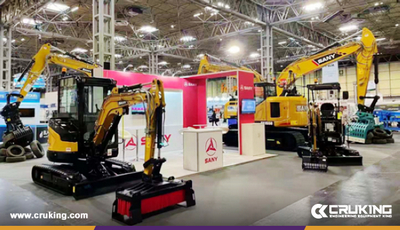
SANY Excavator Debuts at RWM Exhibition in UK
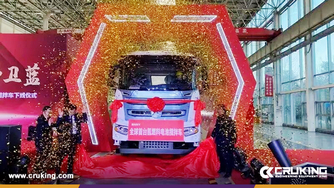
SANY Developing Hydrogen Fuel Trucks

CRUKING's 2024 Halloween Theme Party

CRUKING Christmas Party in 2020
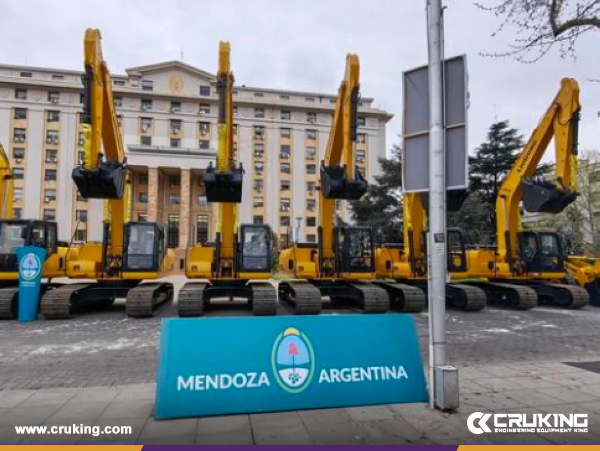
Batches of LIUGONG Excavators Delivered to the Provincial Government of Argentina
Is the Remote Control Excavator Safe?
XCMG: Explore the Road of Low-Carbon Development of the Industry
SEM SEM653F Wheel Loader Was Released
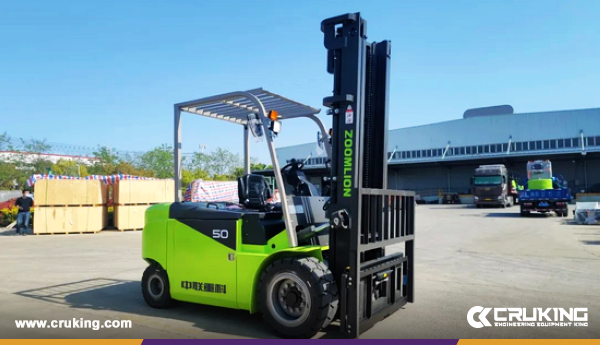
ZOOMLION Electric Forklift New Product Release
CRUKING | LIUGONG CLG877H Wheel Loader
ZOOMLION Exports Thousands of Agricultural Machinery to Belt and Road
CRUKING | LOVOL FL956H Wheel Loader

Zambian Vice President Visits SDLG's Star Products
CRUKING | LIUGONG CLG848H Wheel Loader
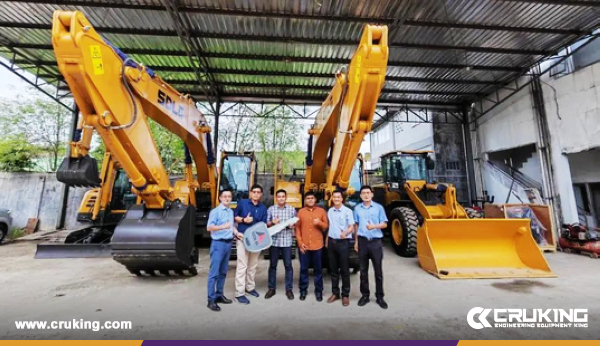
SDLG's Internationalisation Process Is Accelerating

ZOOMLION ZAT40000H7 Achieves New Height of 160m for Wind Power
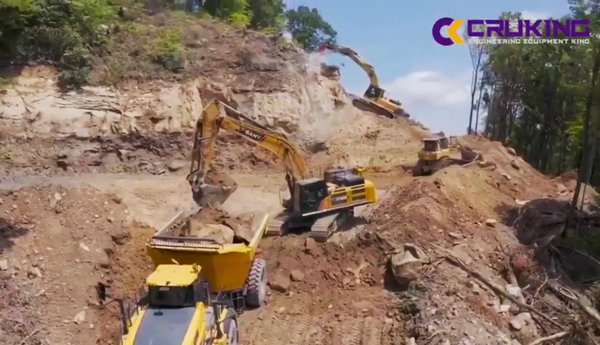
CRUKING | SANY SY500H Excavator
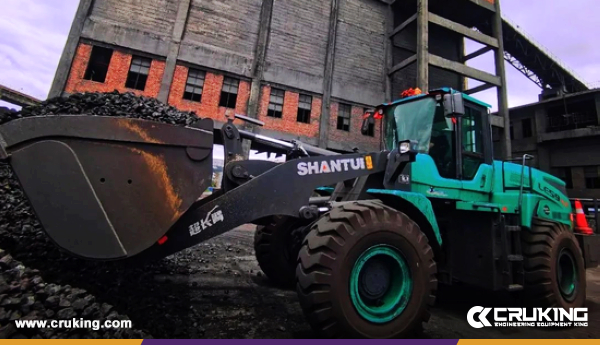
SHANTUI Pure Electric Loaders in Southwest Mines
CRUKING | SHANTUI SD22 Bulldozer
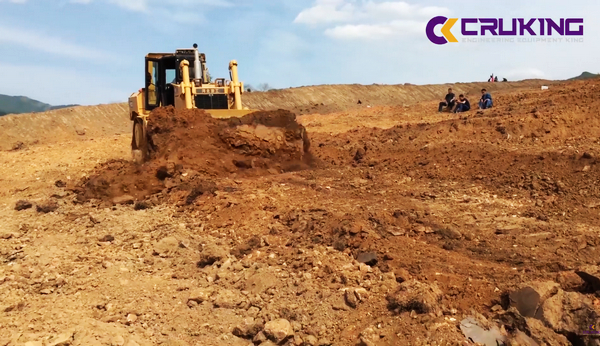
CRUKING | HBXG SD7K Bulldozer
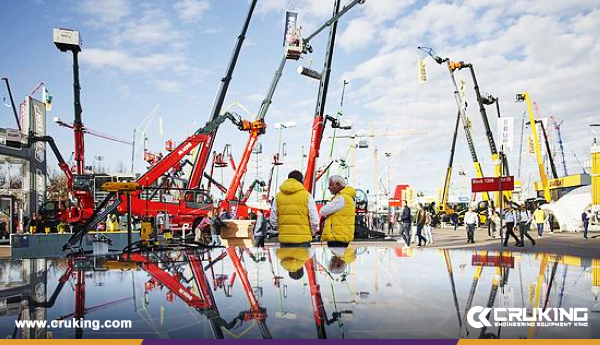
Photo Gallery of Bauma 2022 in Germany
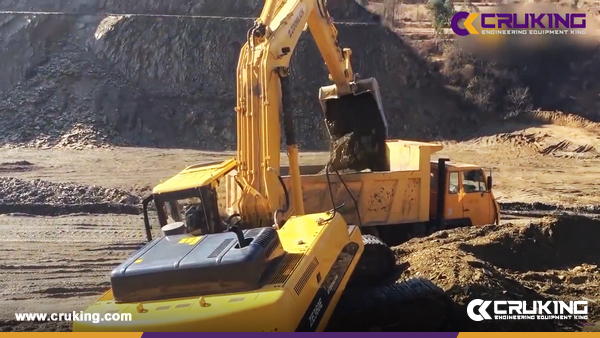
CRUKING | ZOOMLION ZE360E Excavator
CRUKING | LIUGONG CLG909E Excavator
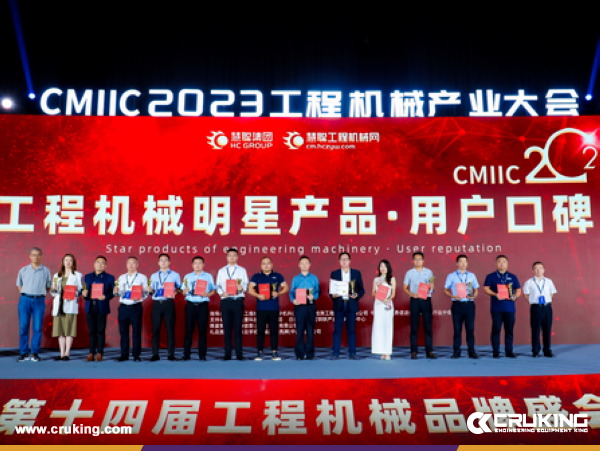
Star Product SE680LC Receives Praise from the Market
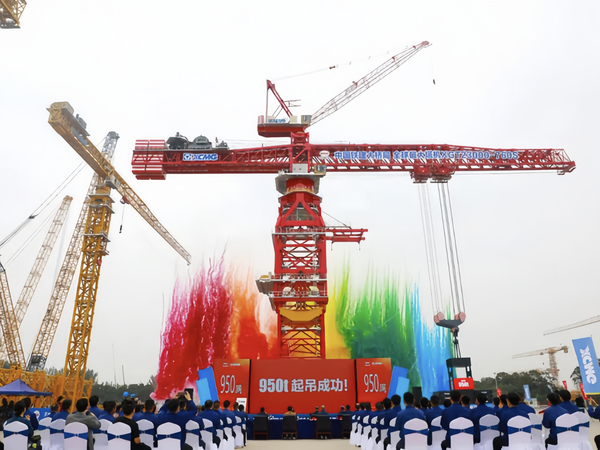
XCMG's World's Largest Tower Crane Was Delivered Smoothly
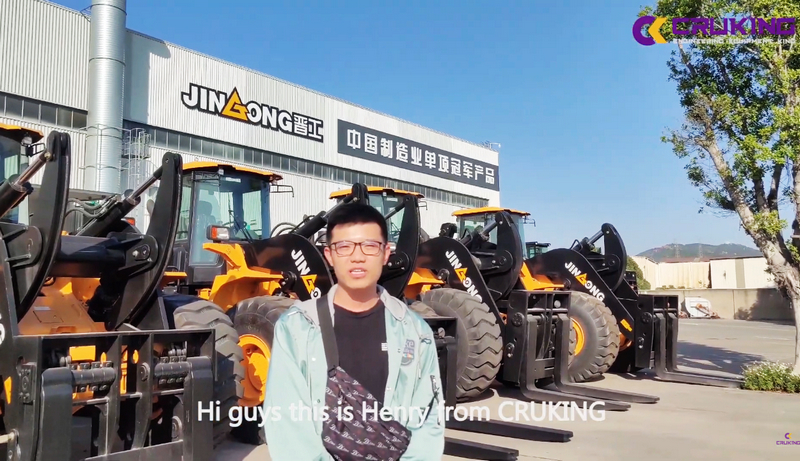
CRUKING | JINGONG JGM791FT50KN Forklift Loader
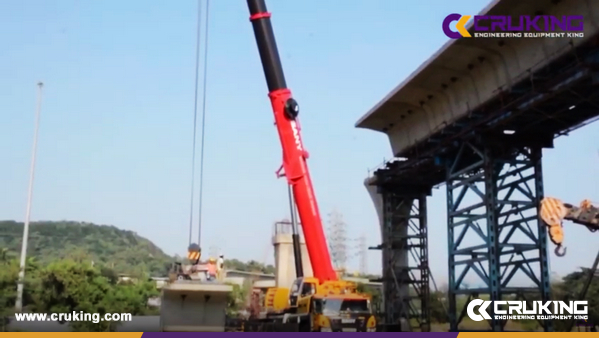
CRUKING | SANY SAC2200 All Terrain Crane
CRUKING | LOVOL Excavator FR480E
Guangzhou-Zhanjiang High-speed Railway: Demonstrating the Excellent Quality of SANY
CRUKING | XCMG XE215C Excavator
CRUKING | XGMA XG8065F Excavator
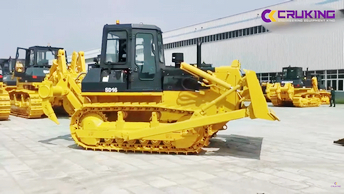
CRUKING | SHANTUI SD16 Bulldozer
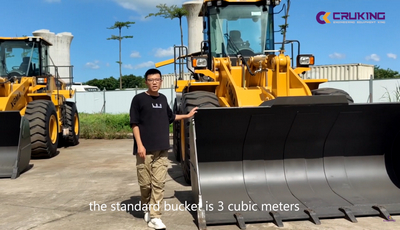
CRUKING | XGMA XG956N Wheel Loader
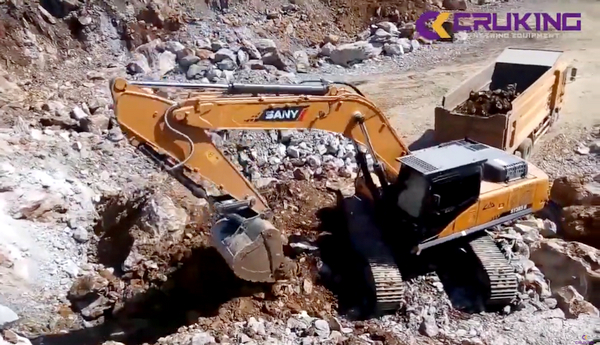
CRUKING | SANY SY365H Excavator
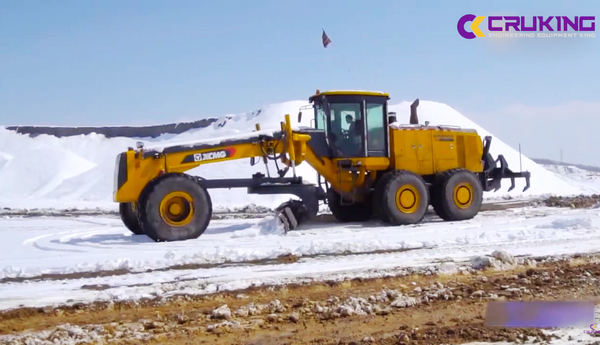
CRUKING | XCMG GR3505 Motor Grader
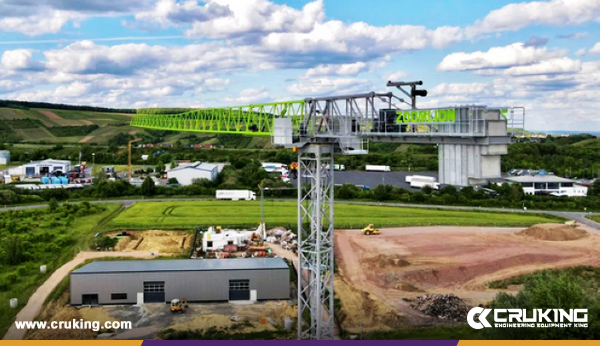
Bauma 2022 Preview: ZOOMLION's R-generation Tower Cranes to Appear at Bauma Germany
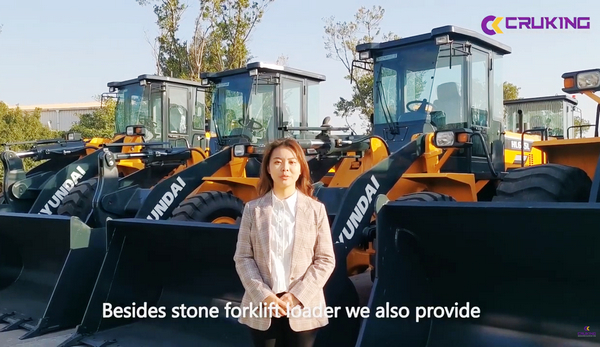
CRUKING | JINGONG JGM761FT20KV Forklift Loader
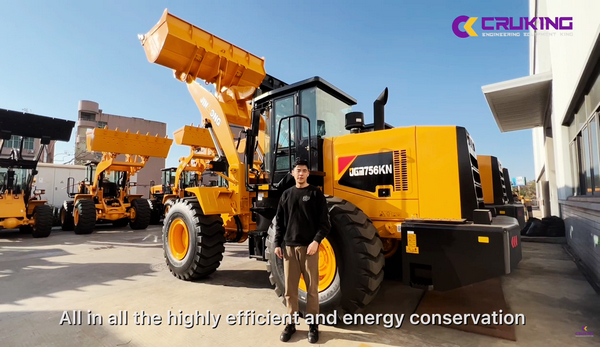
CRUKING | JINGONG JGM757KN Wheel Loader
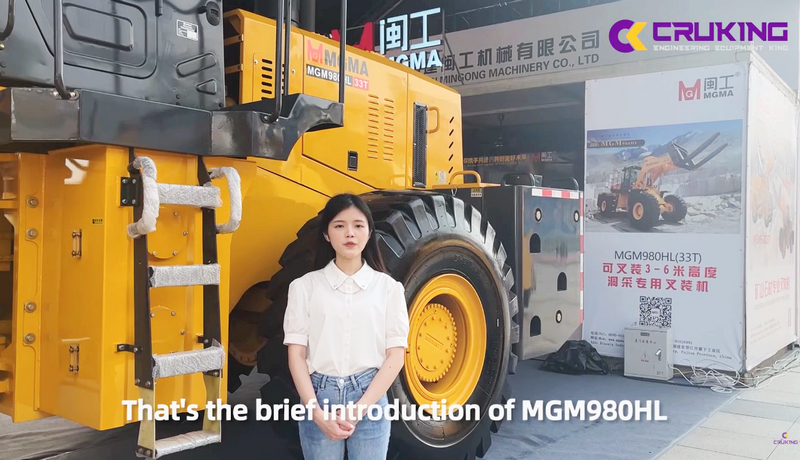
MGMA MGM980HL Mining Forklift Loader | Xiamen Stone Fair 2022
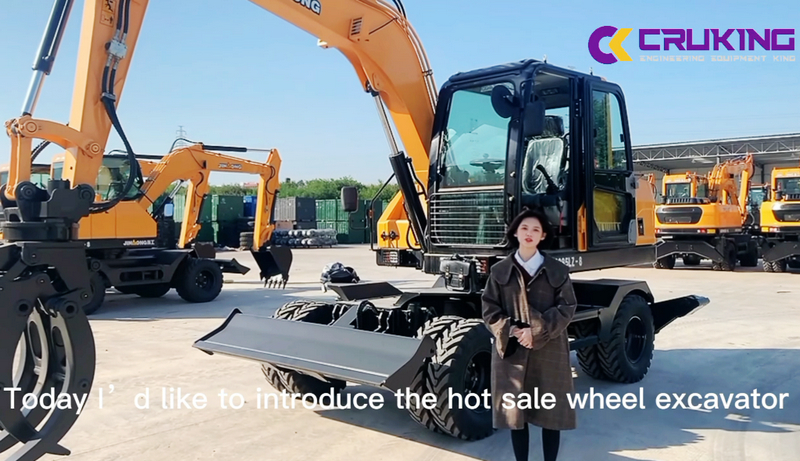
CRUKING | JINGONG JGM9085LNZ Wheel Excavator
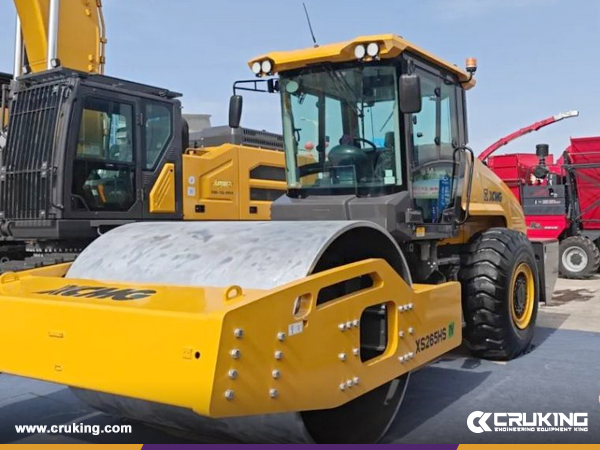
The 8th China-Eurasia Expo: XCMG Mining Machinery Shines!

CRUKING | XCMG Crawler Excavators Show
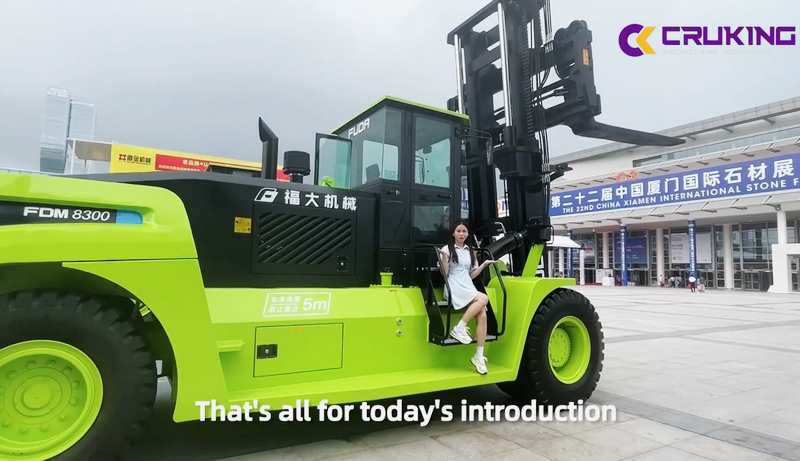
FUDA FDM8300 Forklift | Xiamen Stone Fair 2022

CRUKING LOVOL Wheel Loader FL968H
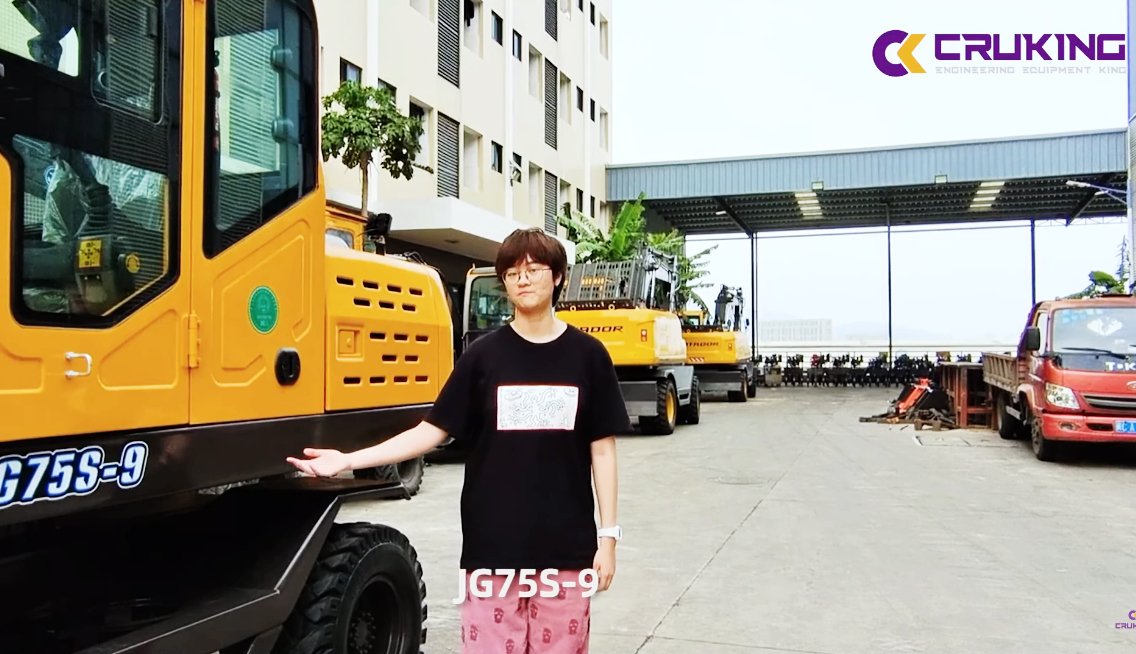
CRUKING | JINGGONG JG75S-9 Wheeled Excavator
SANY & Zero Carbon Logistics: Build N3 green charging network in Africa
CRUKING | JINGONG JGM9085LZ-8G Excavator
CRUKING | XCMG LW1200KN Wheel Loader
XCMG Earthmoving Remote Control Equipment Enables the Construction of Green Intelligen
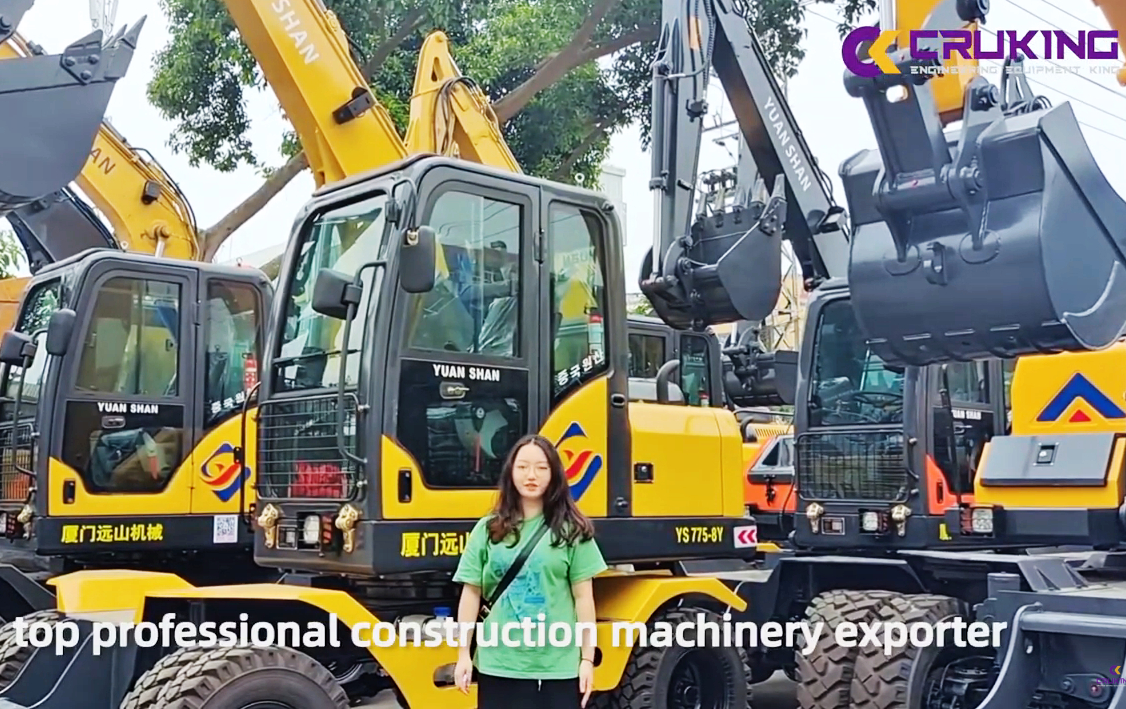
CRUKING | YUANSHAN YS775-8Y Wheeled Excavator
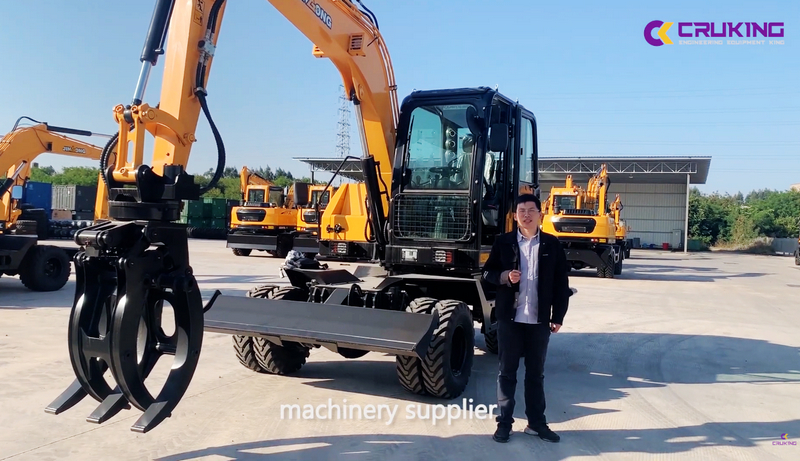
CRUKING | JINGONG JG9095LNZ Wheeled Excavator
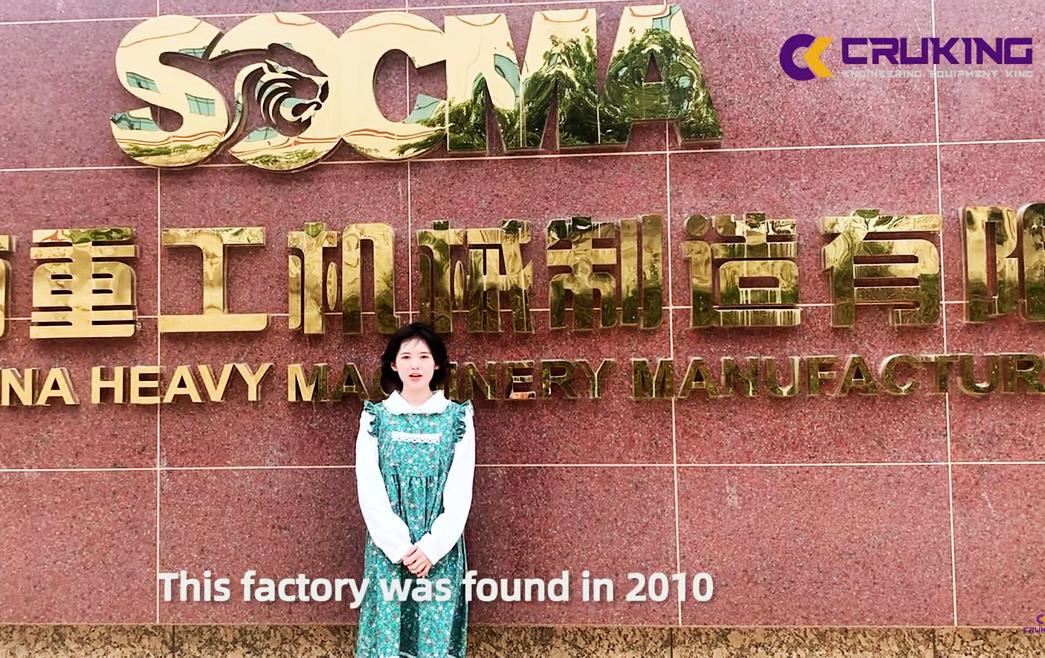
CRUKING | SOCMA HNF160 Heavy Forklift
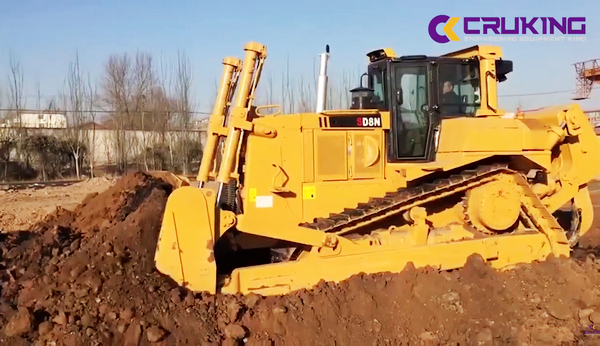
CRUKING | HBXG SD8N Bulldozer
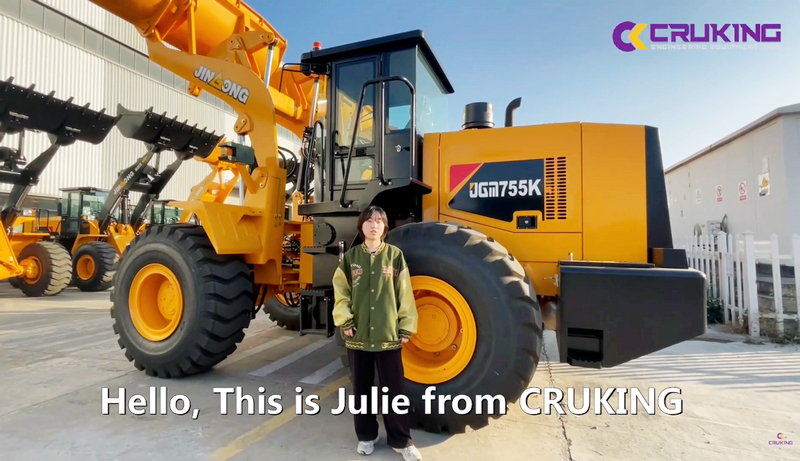
CRUKING | JINGONG JGM737K Wheel Loader
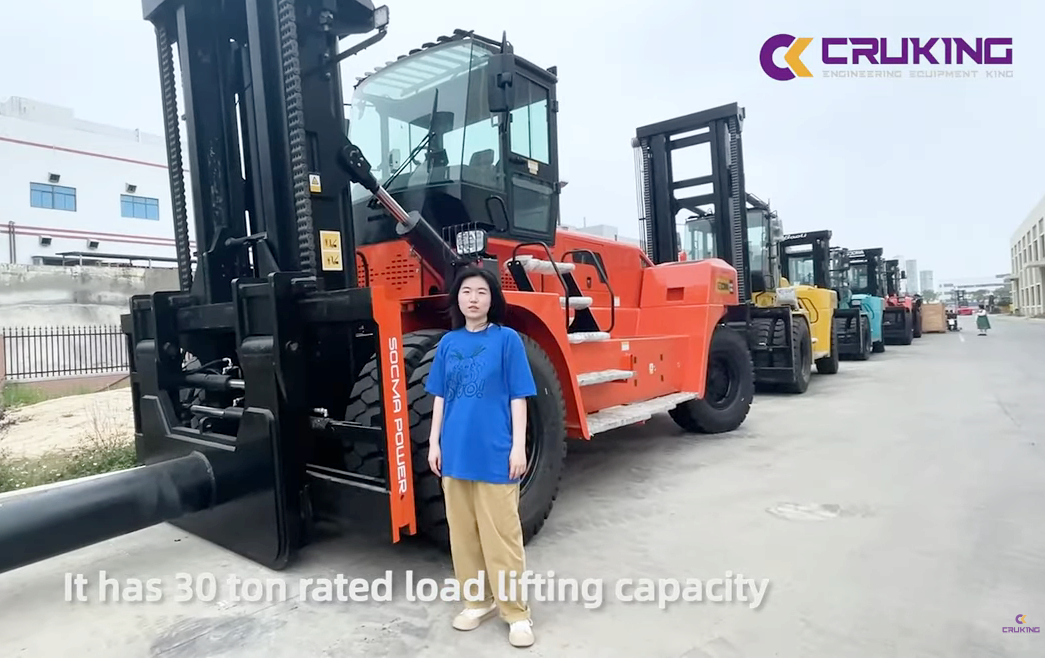
CRUKING | SOCMA HNF300 Heavy Forklift
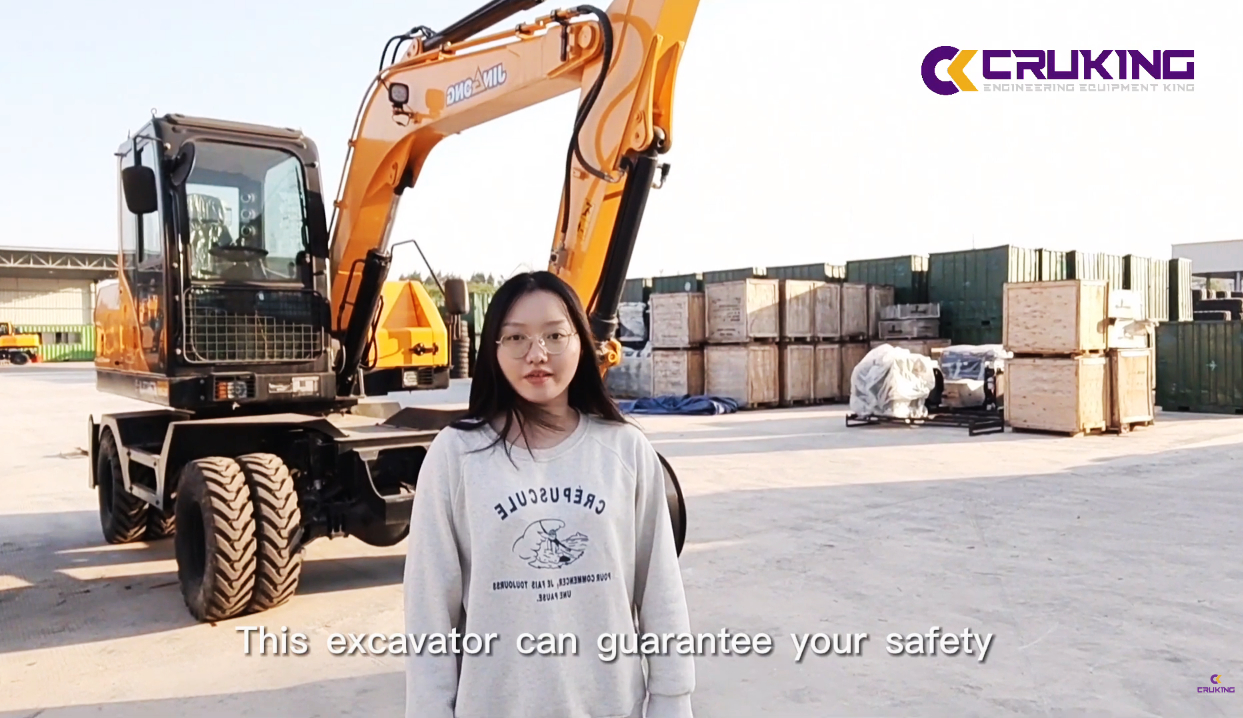
CRUKING | JINGONG JGM9075LN-9 Wheel Excavator
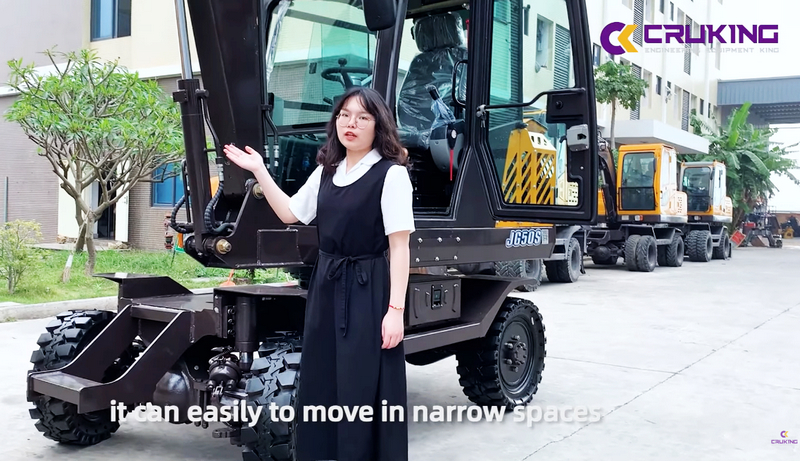
CRUKING | JINGGONG JG50S Wheeled Excavator

CRUKING Team Enjoys Touring Guilin

CRUKING | JINGONG JGM767 Wheel Loader
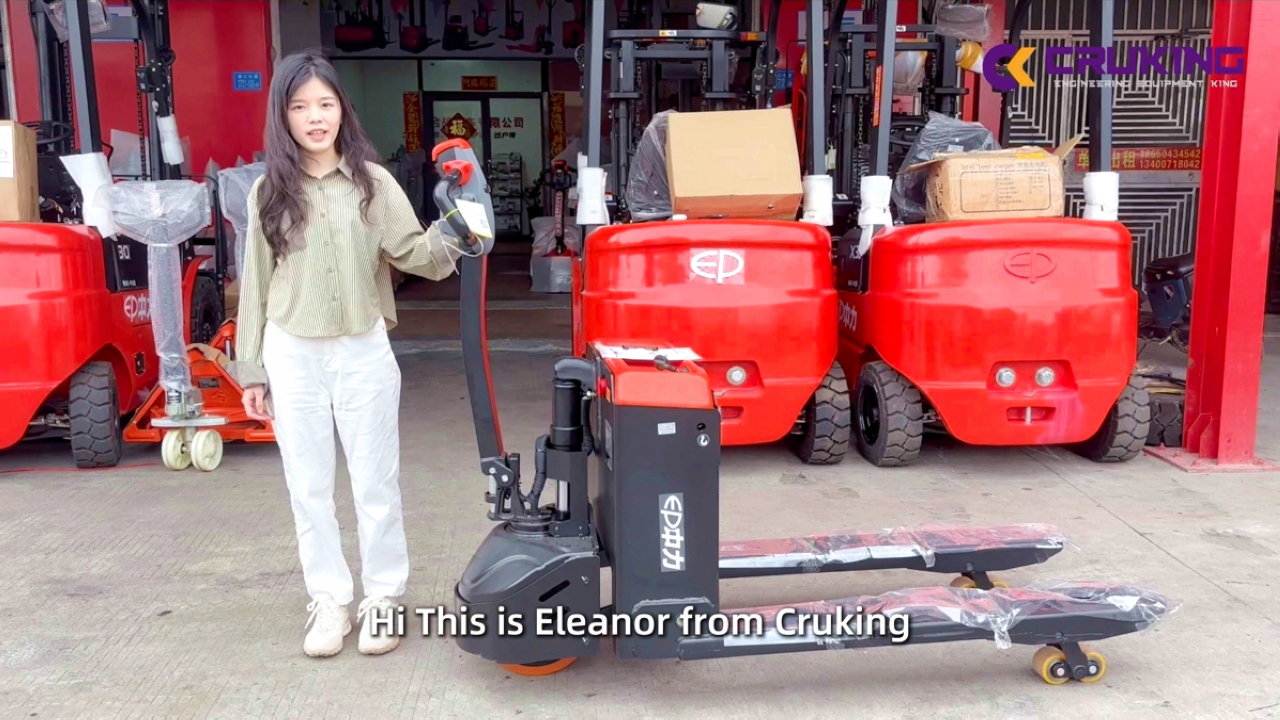
Make Logistics Easier: ZHONGLI EPT20-20ETH Walkie Pallet Truck
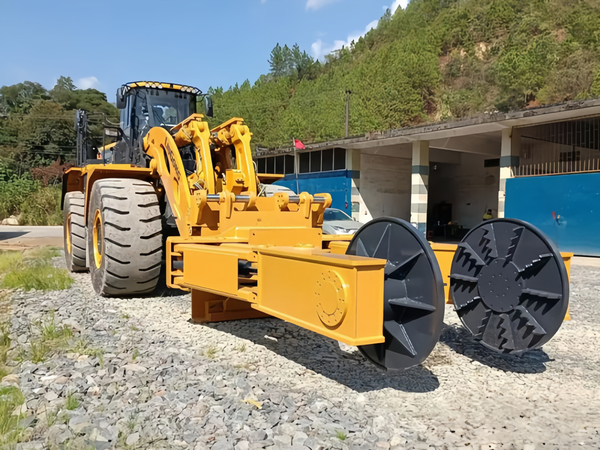
LIUGONG 8128H Loader Helps Green Mine Construction
CRUKING | JINGGONG JG150S Wheeled Excavator
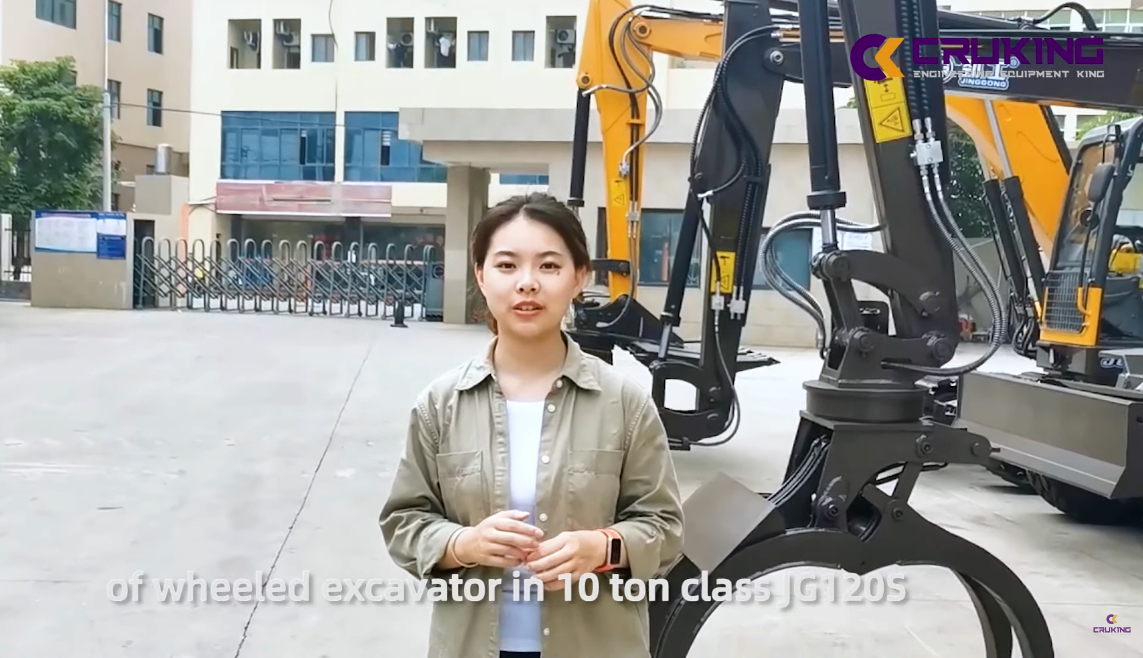
CRUKING | JINGGONG JG120S Wheeled Excavator
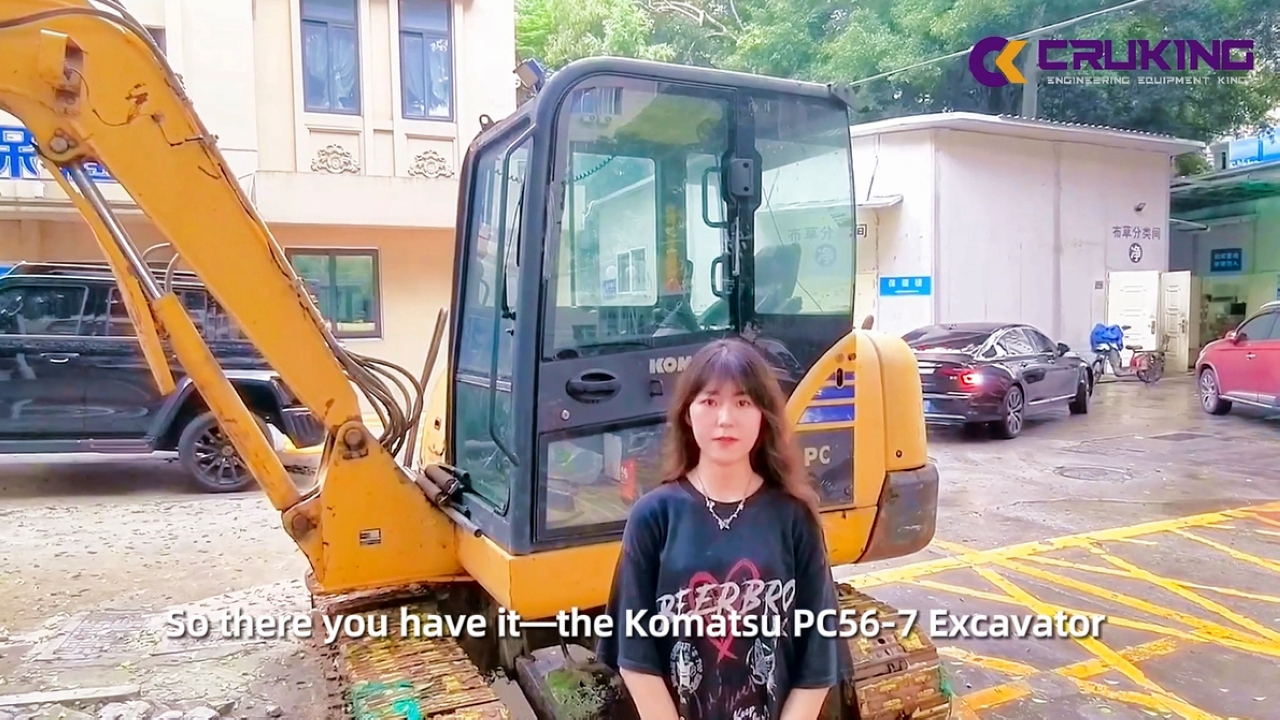
KOMATSU PC56-7 Excavator: The Perfect Combination of Power & Efficiency
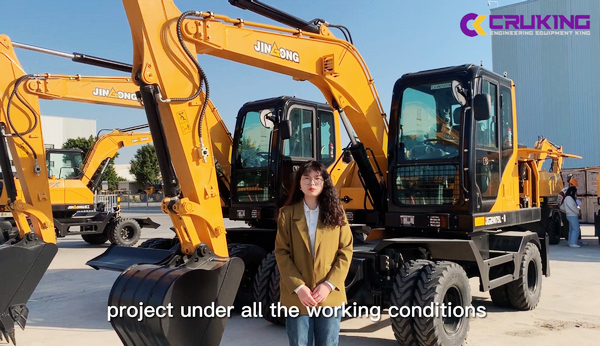
CRUKING | JINGONG JGM9075L Wheel Excavator
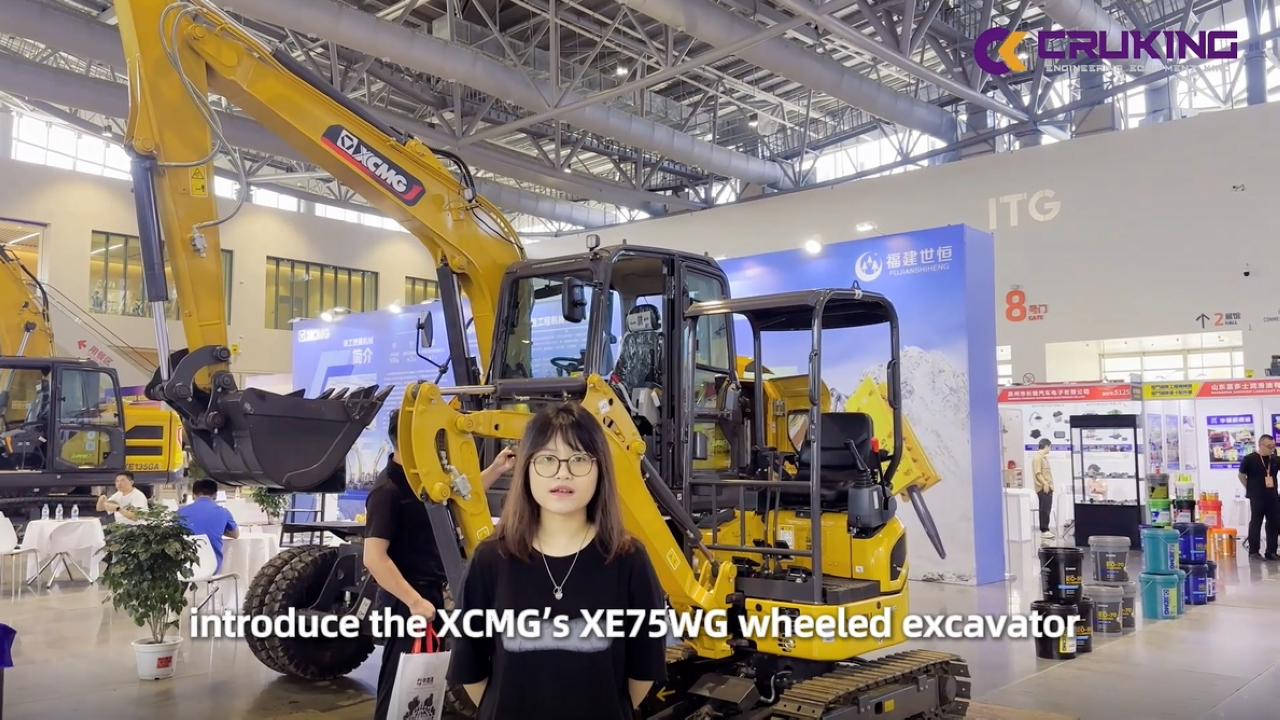
Machinery Showcase: XCMG XE75WG Wheeled Excavator
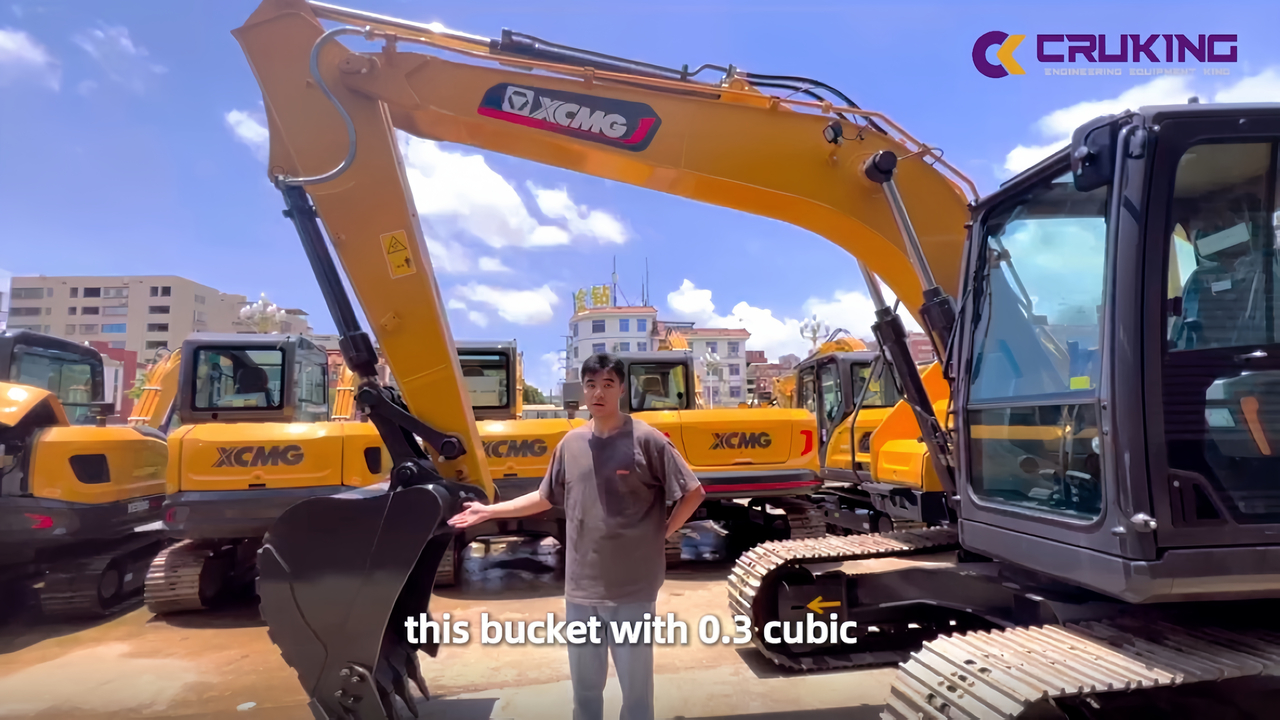
Efficient Construction Expert: XCMG XE135GA Excavator
CRUKING | SOCMA HNBZ8512 Heavy Forklift
CRUKING | SOCMA HNF250 Heavy Forklift
LIUGONG 906F Excavator Diversified Configurations Introduction
Cost-Effective Mini Excavator: LIUGONG 9035F
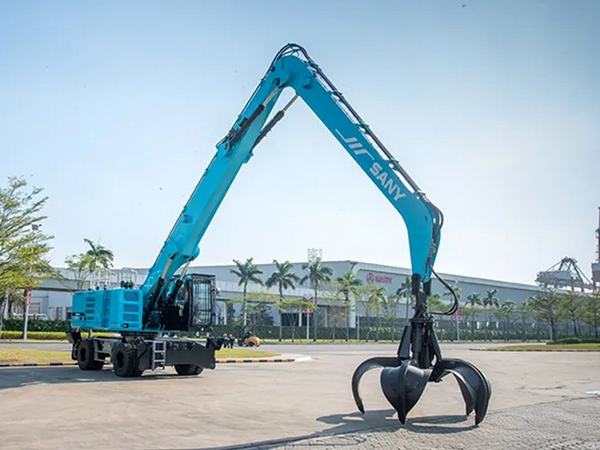
SANY Marine Launches First Pure-Electric Material Handler SMHW40E
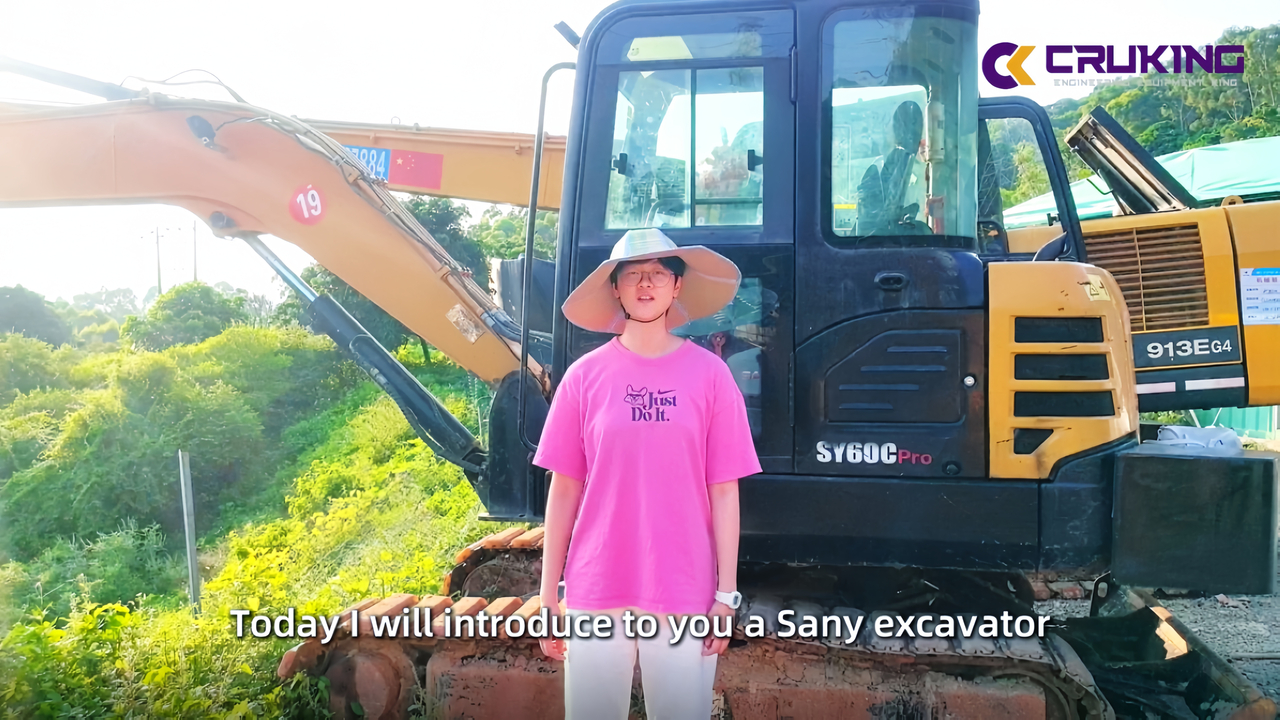
The Impressive Reach and Power of SANY SY60CPRO Excavator
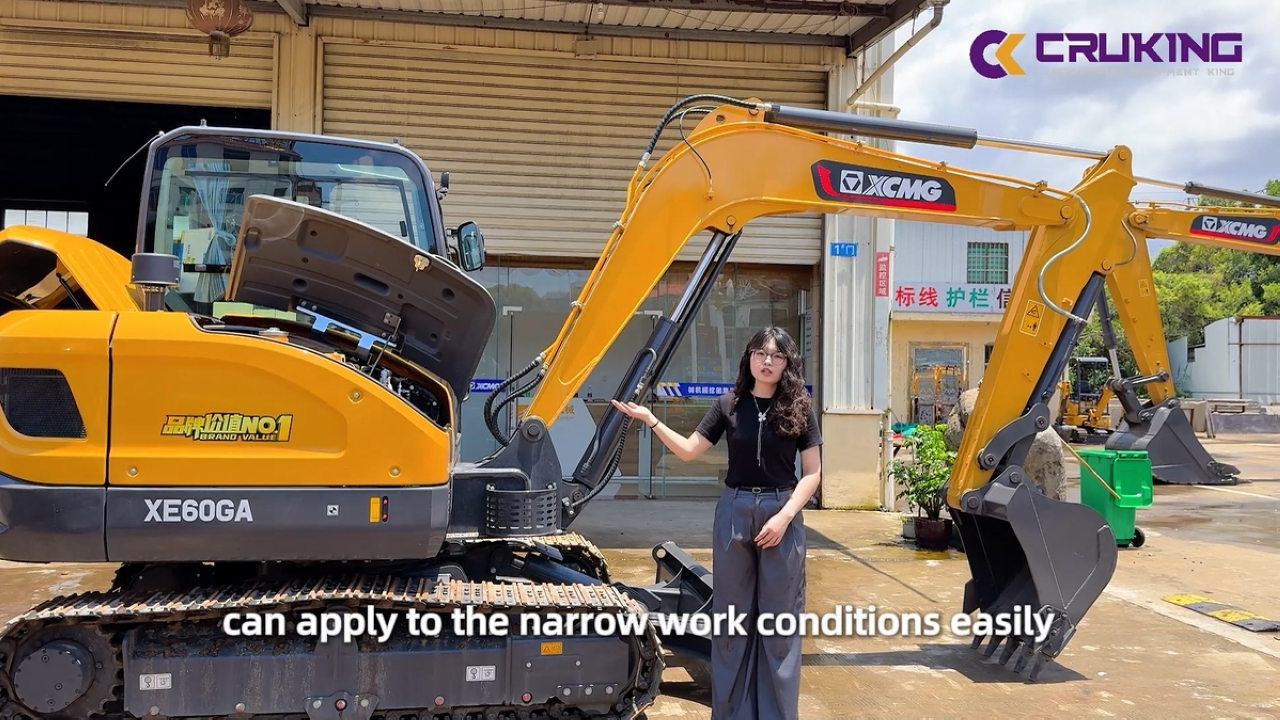
XCMG XE60GA Excavator: Strength and Wisdom Go Hand in Hand
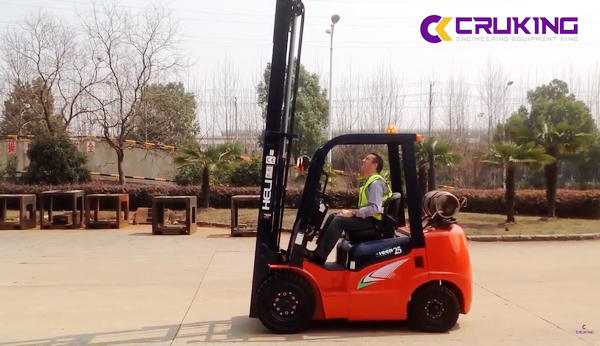
CRUKING | HELI CPCD25 Forklift
Elevating Construction Standards with XGMA Machinery
The Reliable Choice for Excavation Projects: XCMG XE200GH Excavator
Flexible Operation: XINYUAN B75ECO Wheeled Excavator
XCMG XE245GH Excavator Strength Showcase
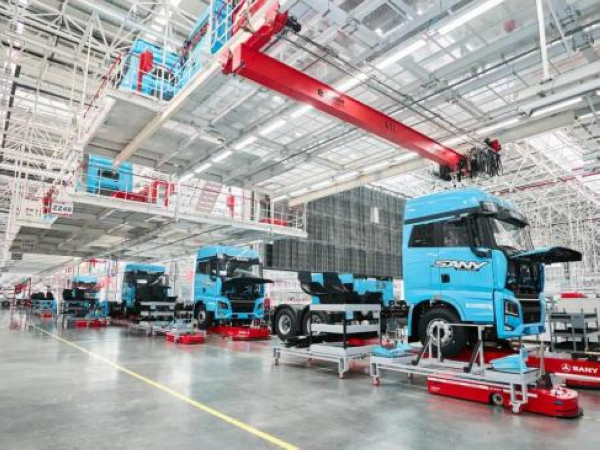
SANY Group Leads Digital Intelligence
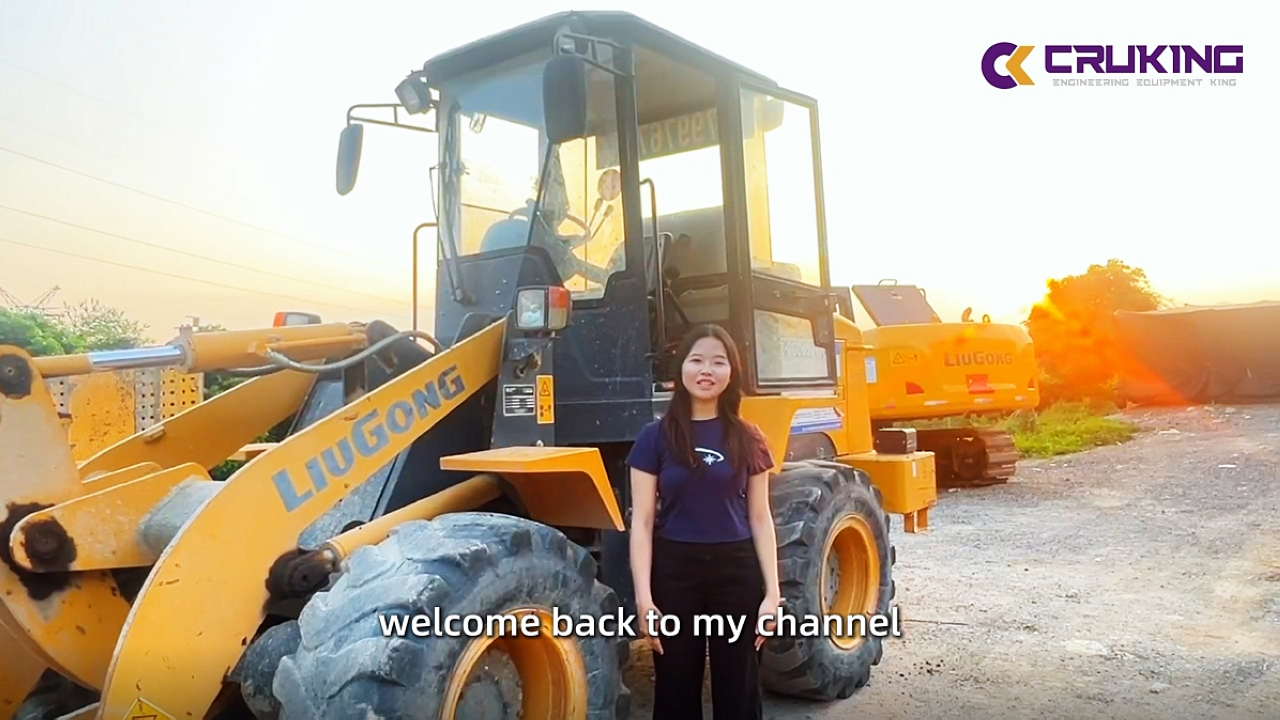
Discover the Advantage of LIUGONG CLG816C Wheel Loader
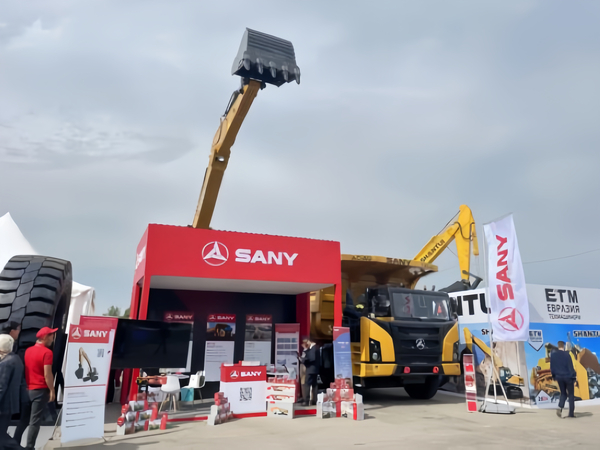
SANY's Kazakh Exhibition Ends Successfully
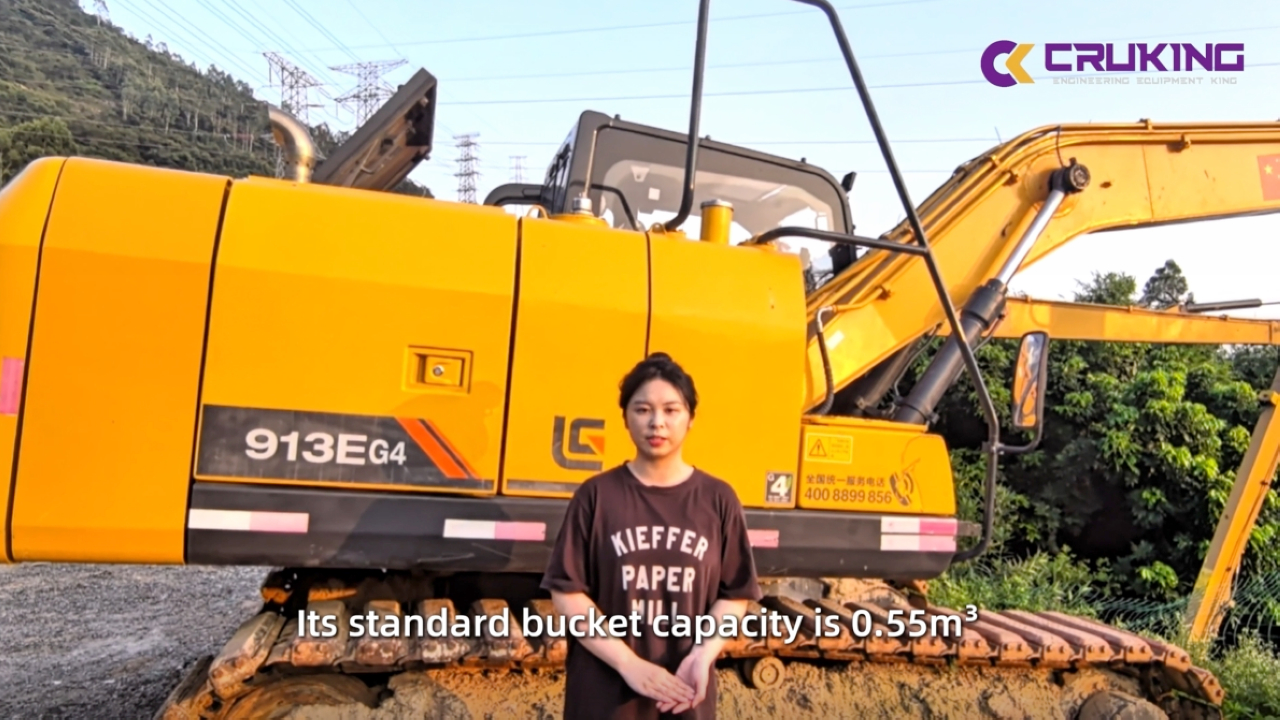
LIUGONG 913EG4 Excavator: Master of Earthmoving Tasks
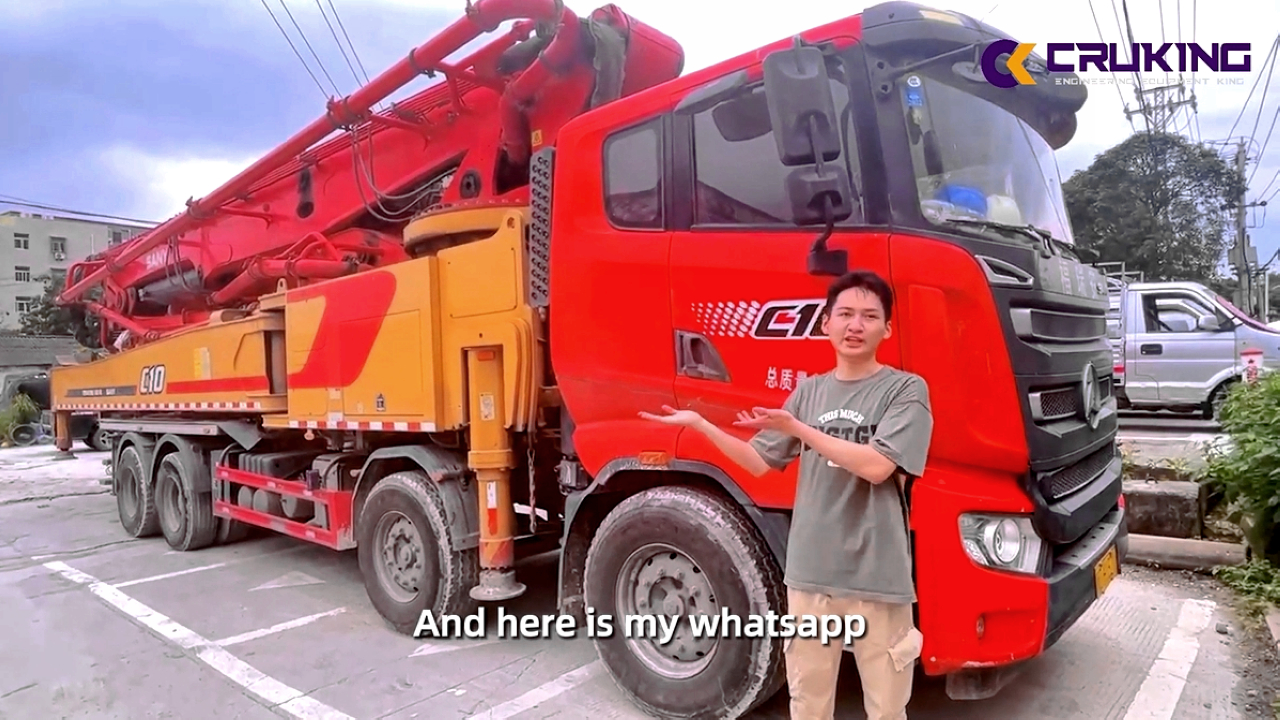
A Closer Look at the SANY SYM5445THBES Concrete Pump Truck
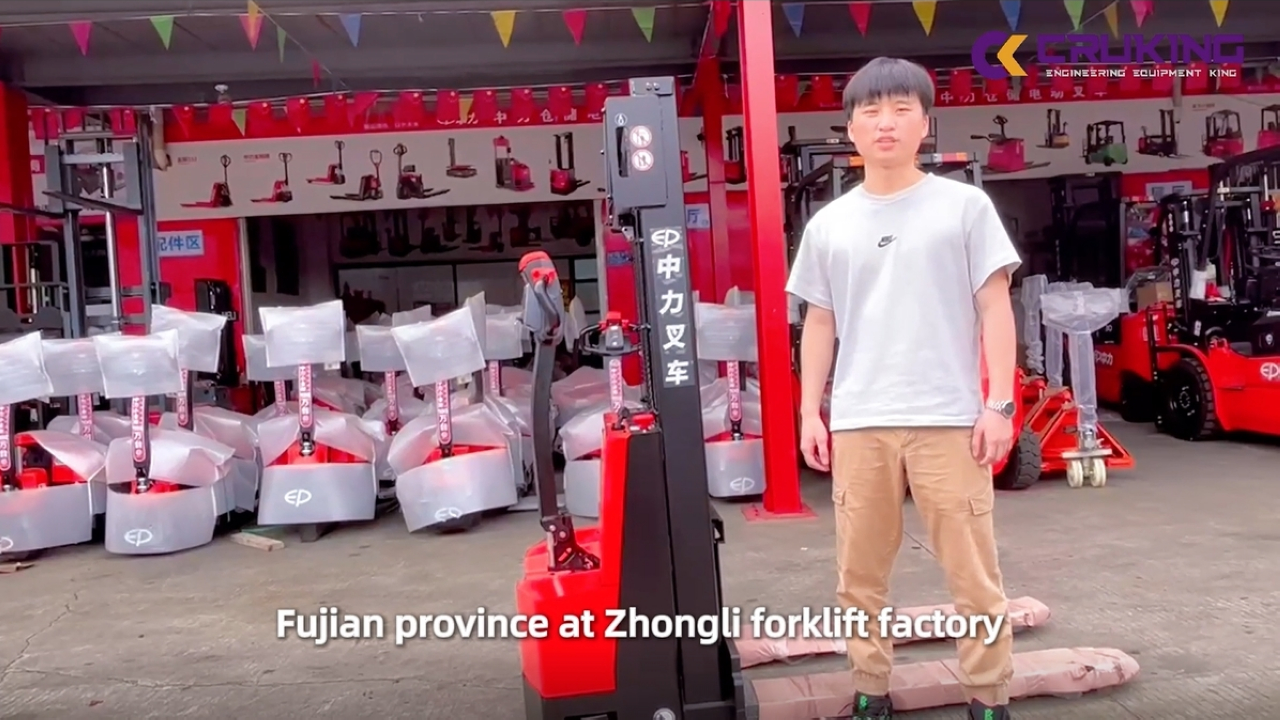
Double the Efficiency of ZHONGLI Pallet Stacker

Unleashing Efficiency: EP Electric Forklift for Material Handling
A Comprehensive Guide to HOWO Tractor with XGMA Machinery

SOCMA HNF1202 Heavy-Duty Forklift Features & Benefits
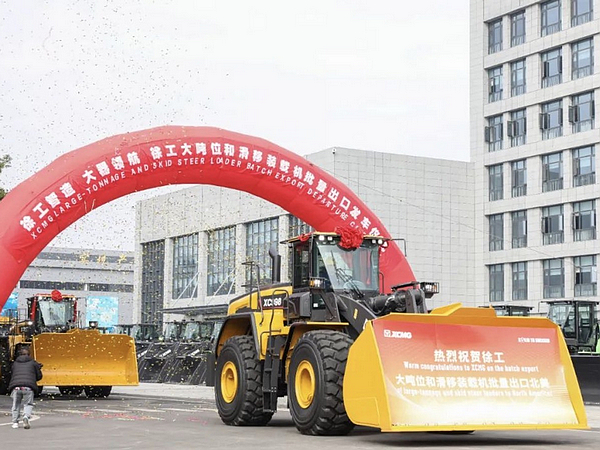
XCMG Equipment Sold to North America in Bulk
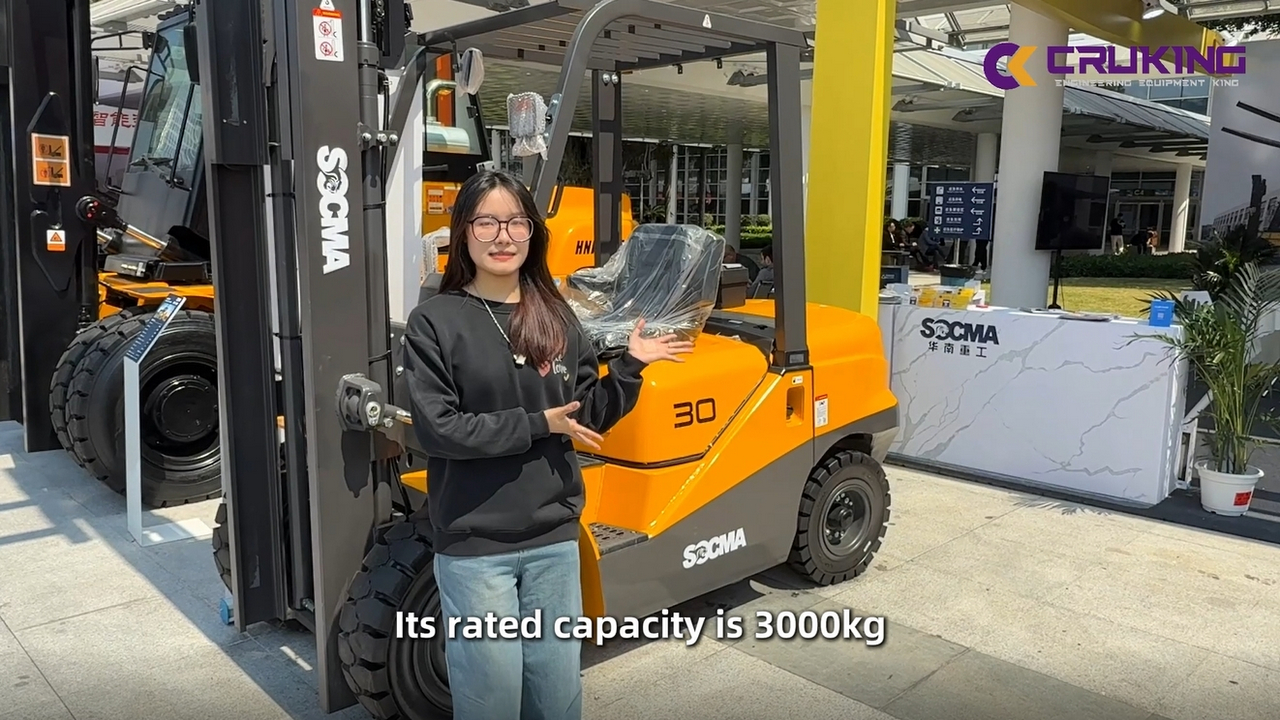
SOCMA HN30 Diesel Forklift Features & Benefits

XCMG's Hardcore Technology Builds a New Paradigm for China-Vietnam Production Capacity
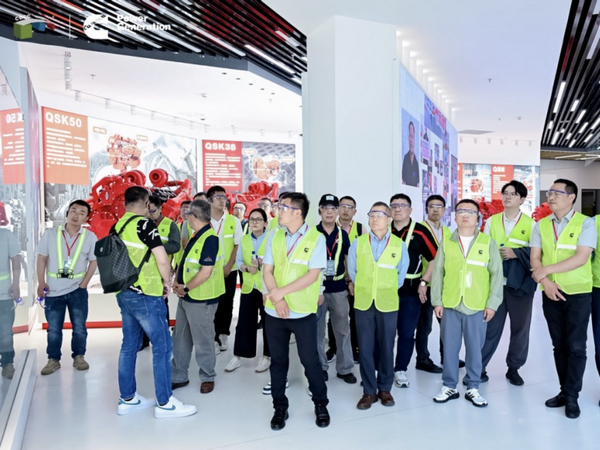
Xiangshan Forum Chongqing: Spotlight on the Backup Power Supply of CUMMINS Data Center
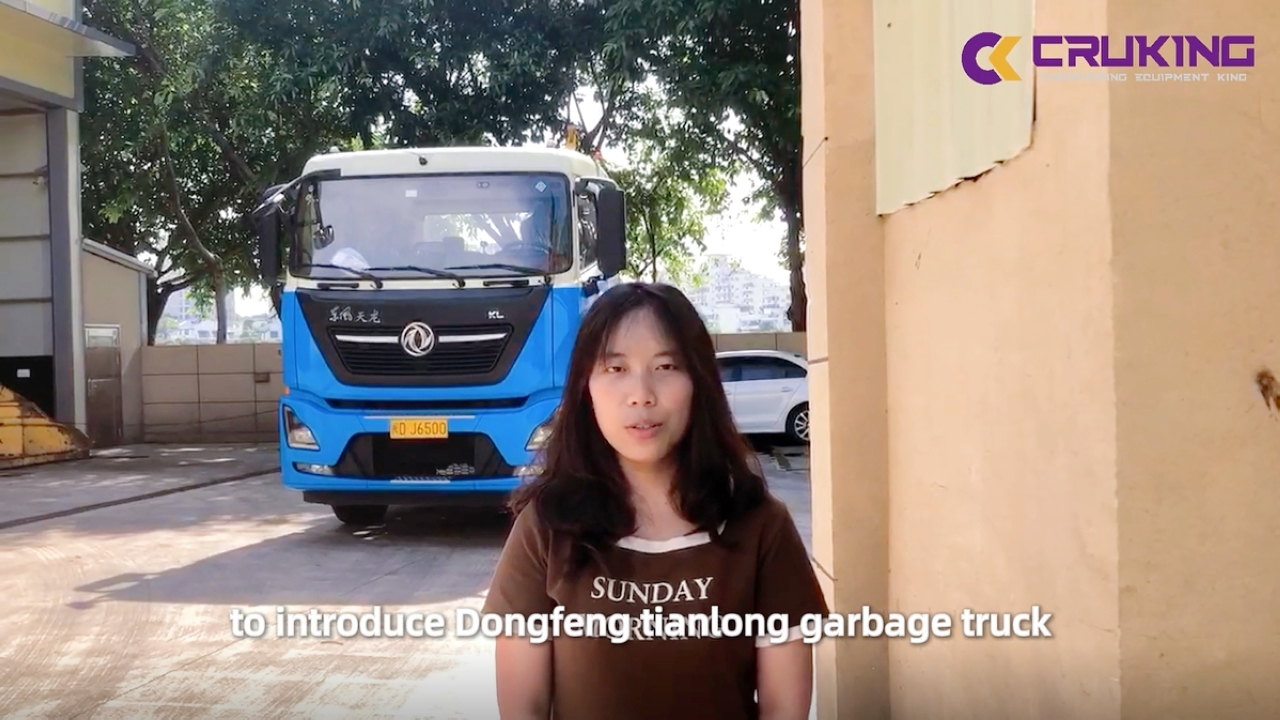
More Efficient Cleaning: DONGFENG Garbage Truck
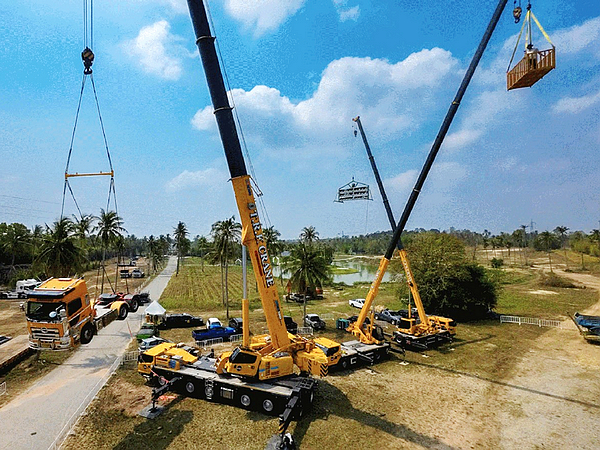
XCMG Brings Its “Tropical Special Machine" to Thailand

Boost Productivity with the SOCMA HNF1202 Heavy-Duty Forklift
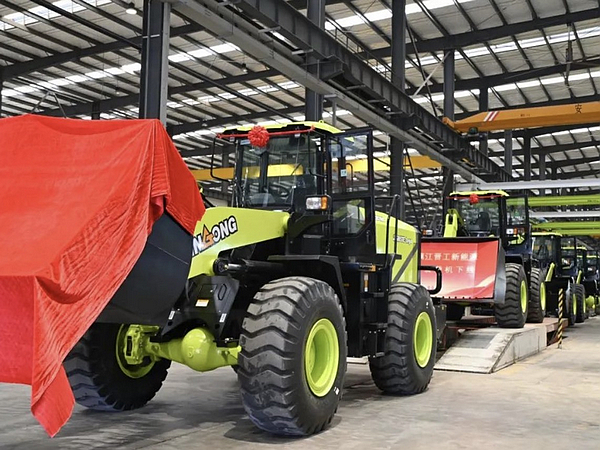
JINGONG New Energy's First Electric Loaders Appear
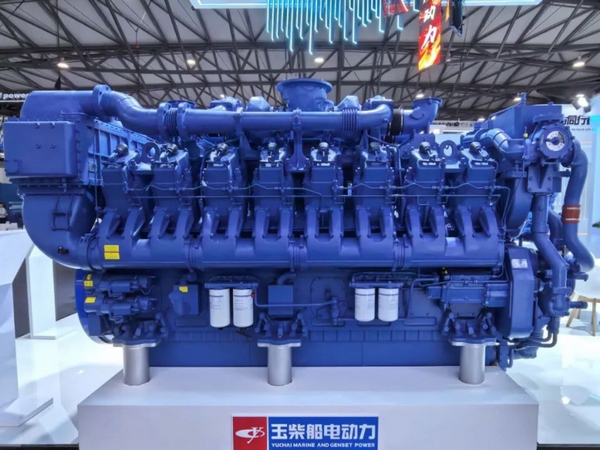
YUCHAI's High-End Power Products Appeared at GPOWER
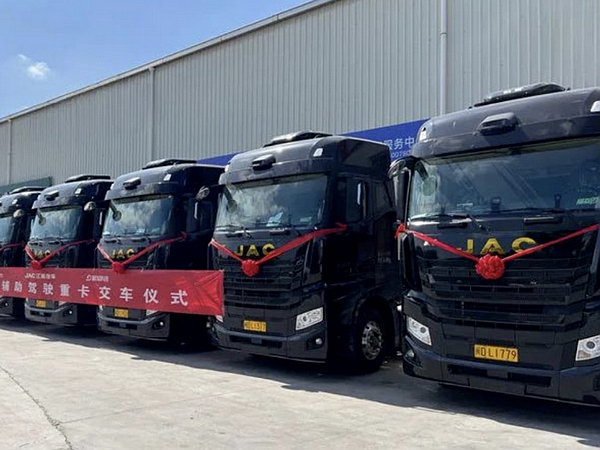
Supported by Cummins M13, K7 Heavy Duty Truck Empowers SF Logistics
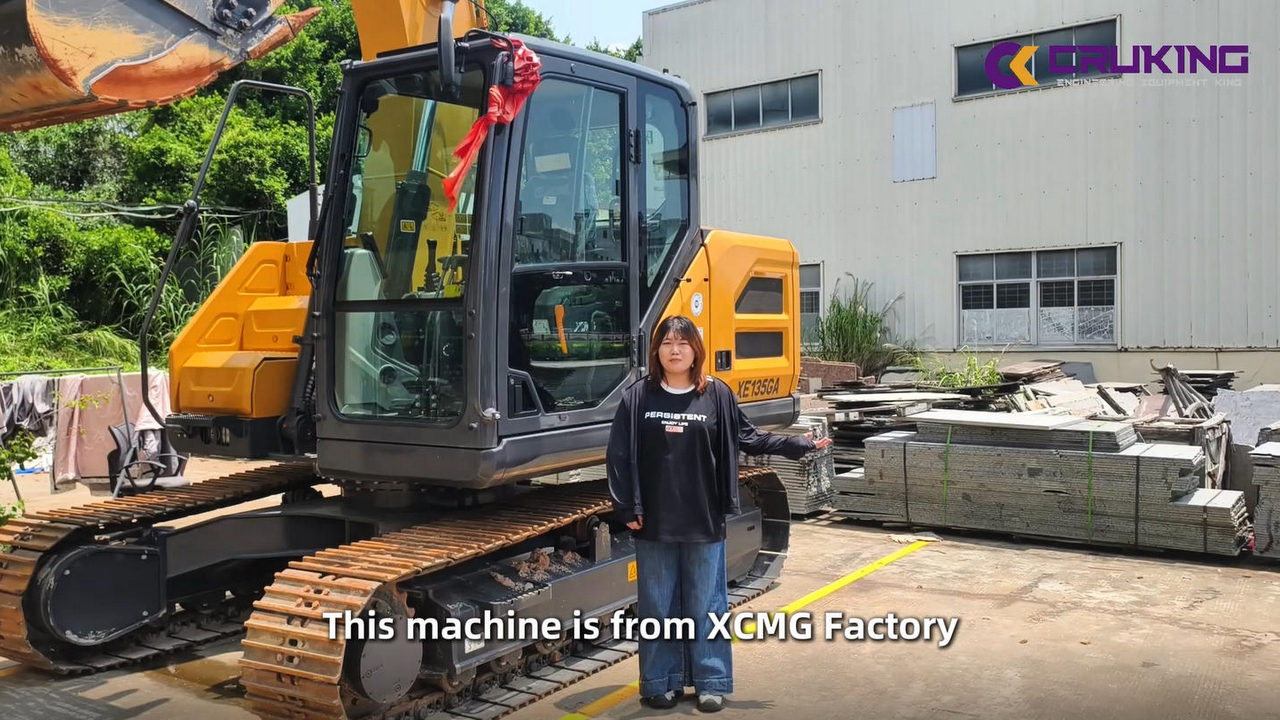
Work Smarter with XCMG XE135WA Excavator
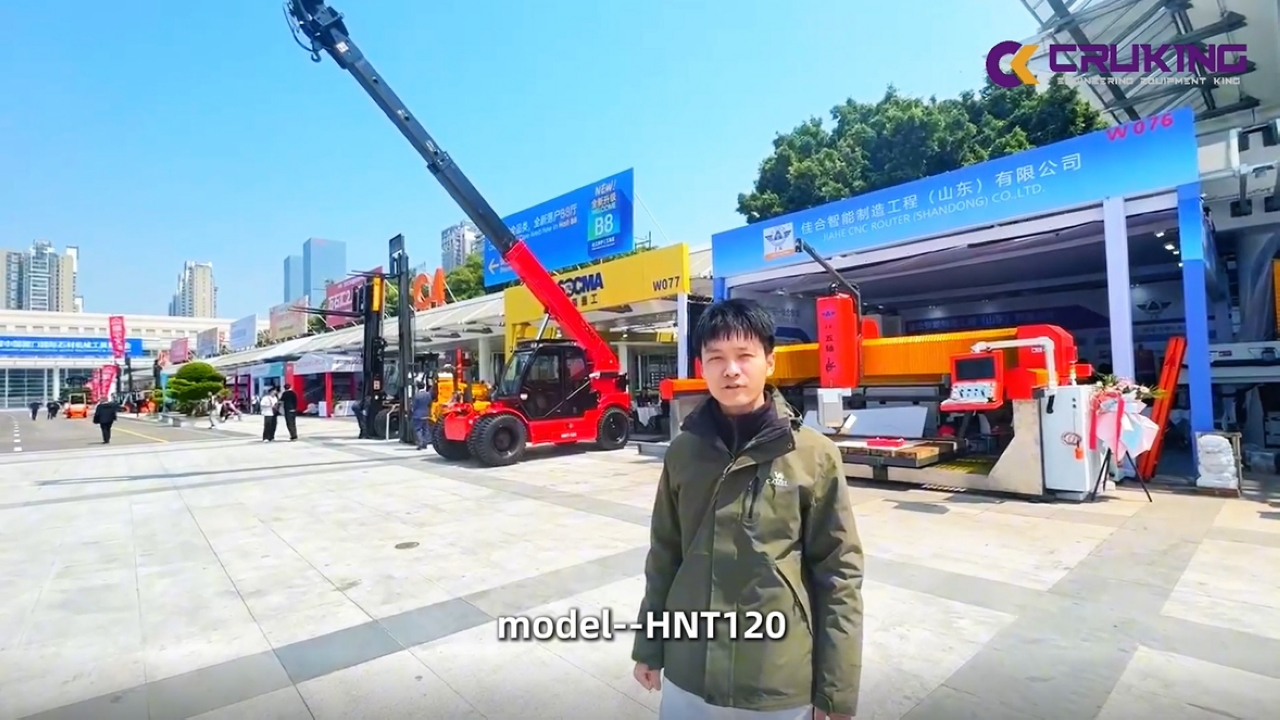
SOCMA HNT120 Hoisting Telehandles are Excellent Choice
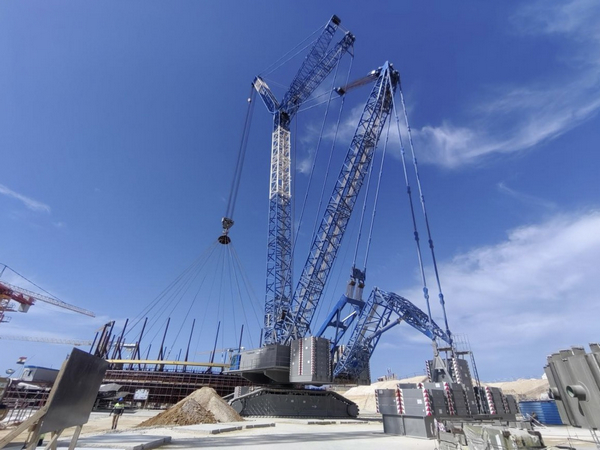
ZOOMLION's Mega-Tonnage Cranes Serve Daba Nuclear Power Plant
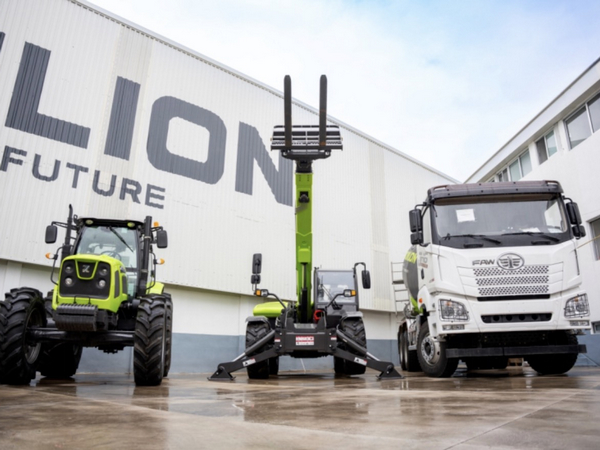
ZOOMLION Mexico City Outlet Opening
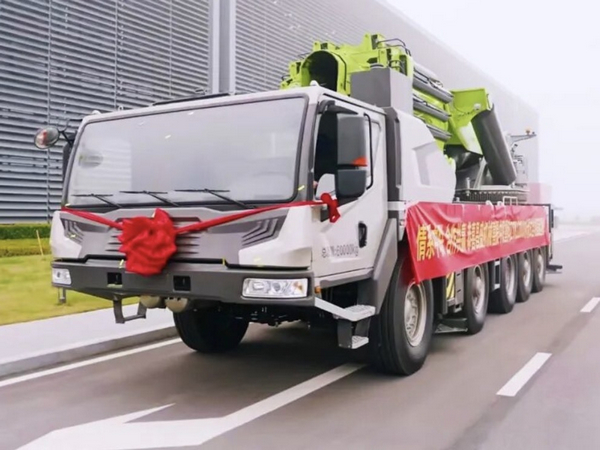
ZOOMLION Completes Delivery of World's Largest Articulated Boom Crane
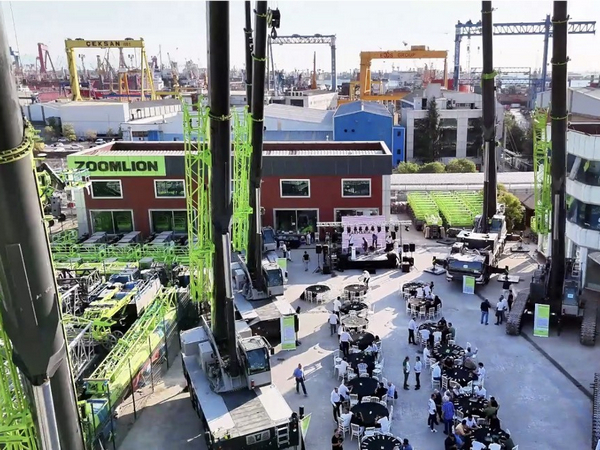
ZOOMLION Construction Crane New Products Showcased in Turkey
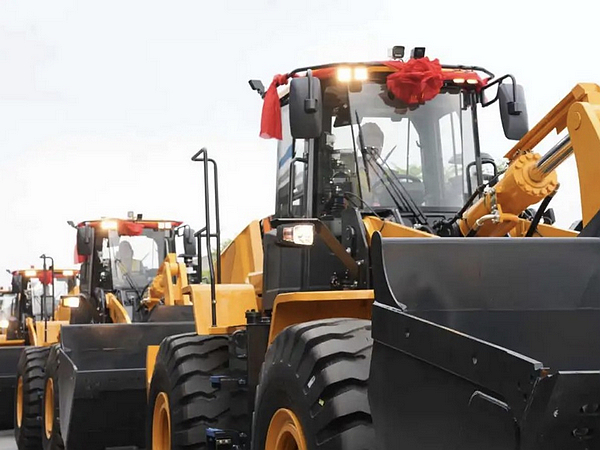
LIUGONG Empowers Intelligent and Efficient Operations at Railway Freight Yards
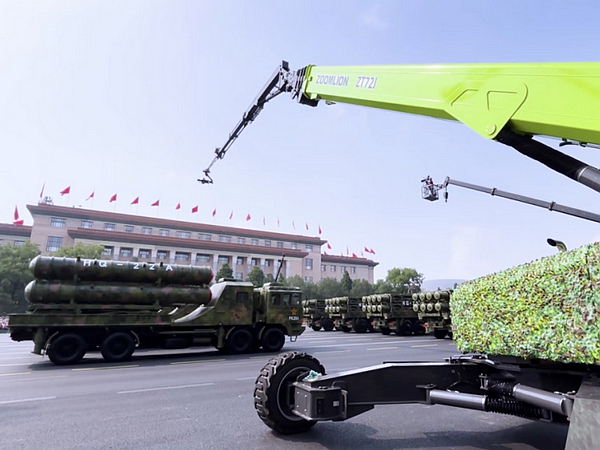
ZOOMLION's High-End Equipment Powers National Ceremony Broadcast
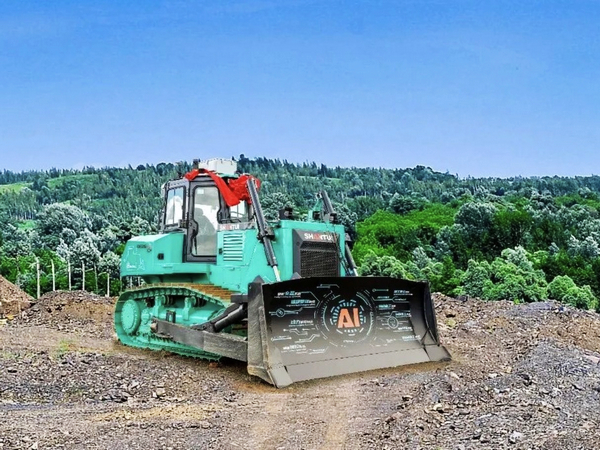
World's First AI-Powered Electric Unmanned Bulldozer Commences Operations

HANGCHA CPCD30 Forklift Your Jobsite Partner

ZOOMLION's Ultra-Heavy-Duty Cranes Collaborate in Operation

HANGCHA Unveils X1 Series Logistics Humanoid Robots
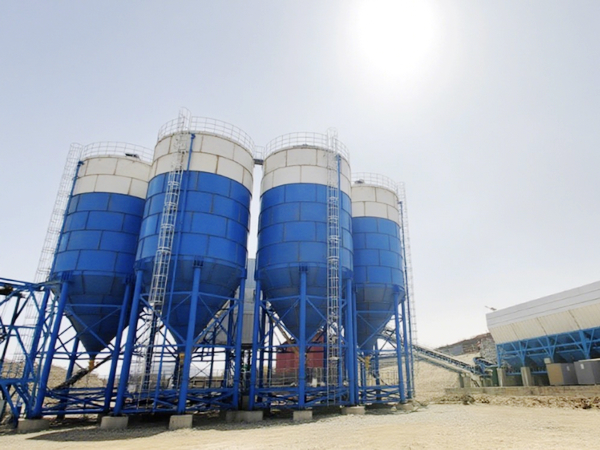
SHANTUI E5L-180 Mixing Plants Support Road Construction in Angola
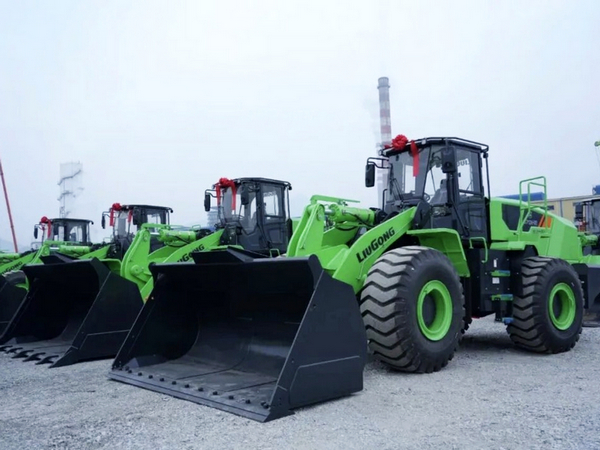
The Rise of Green Energy: A New Wave of Opportunity for Construction Machinery
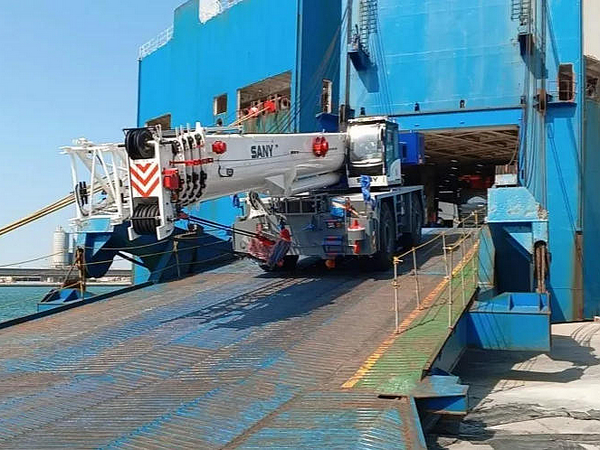
SANY's Regional Supply Center in Dubai Officially Commences Operations
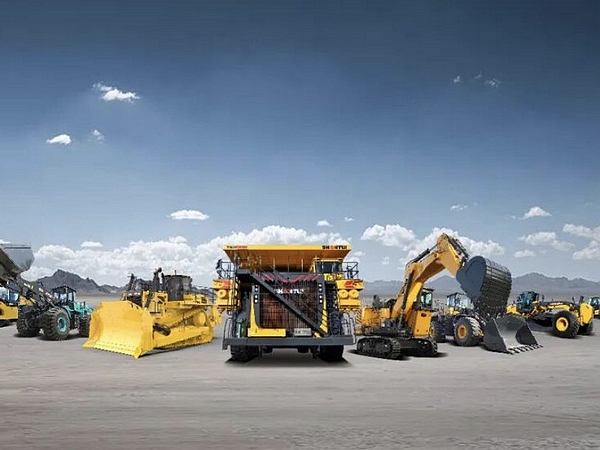
SHANTUI and LOVOL Heavy Industry Ranked on the Yellow Table 2026
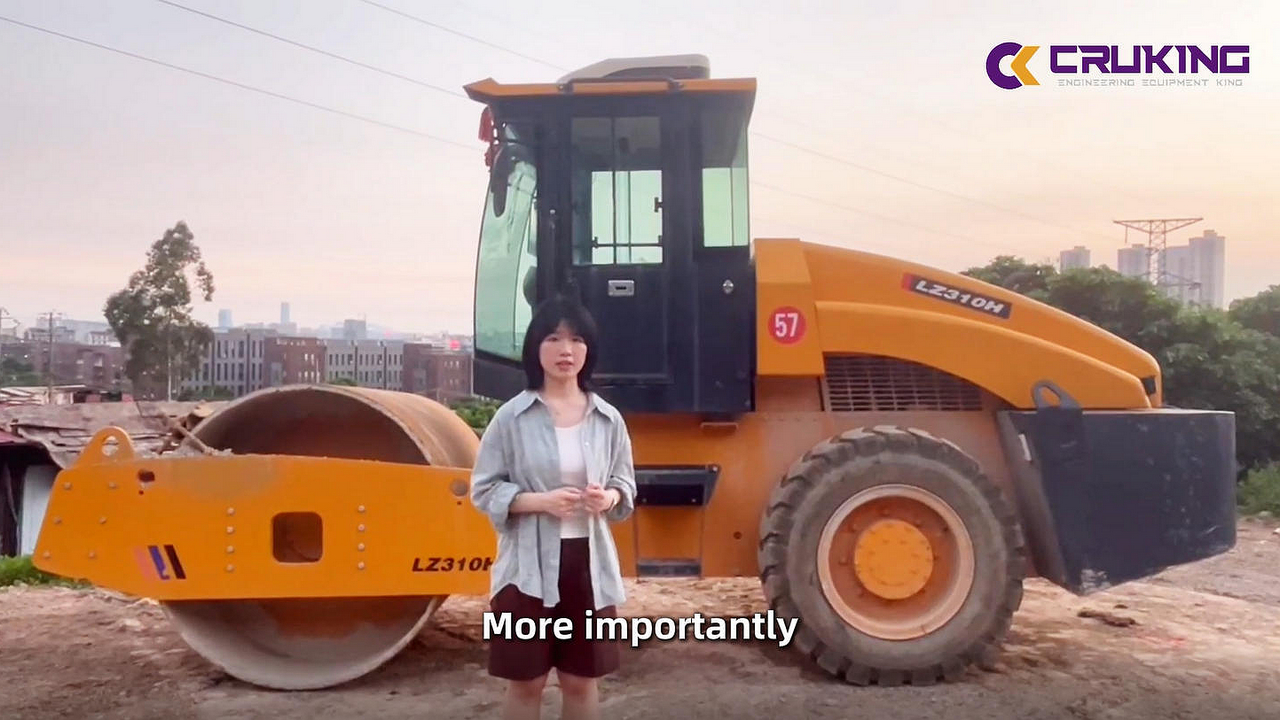
LUOJIAN LZ310H Road Roller Helping Multiply Efficiency
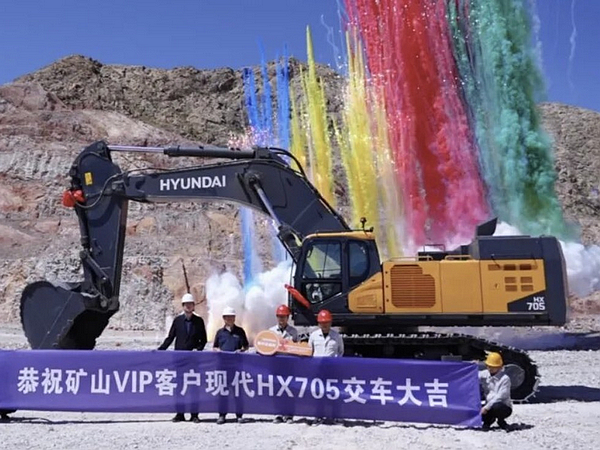
First HYUNDAI 70-Ton Class HX705 Excavator Delivered to Ningxia
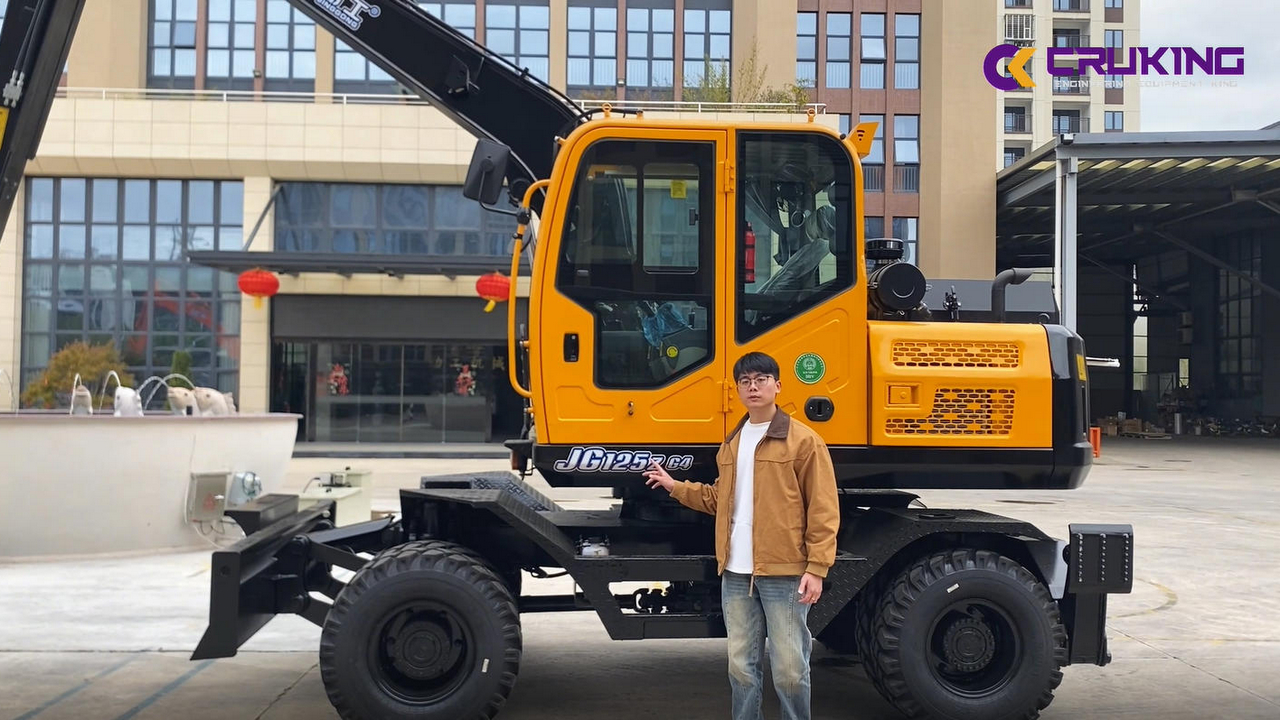
Take a Closer Look at the JINGGONG JG125Z Wheeled Excavator
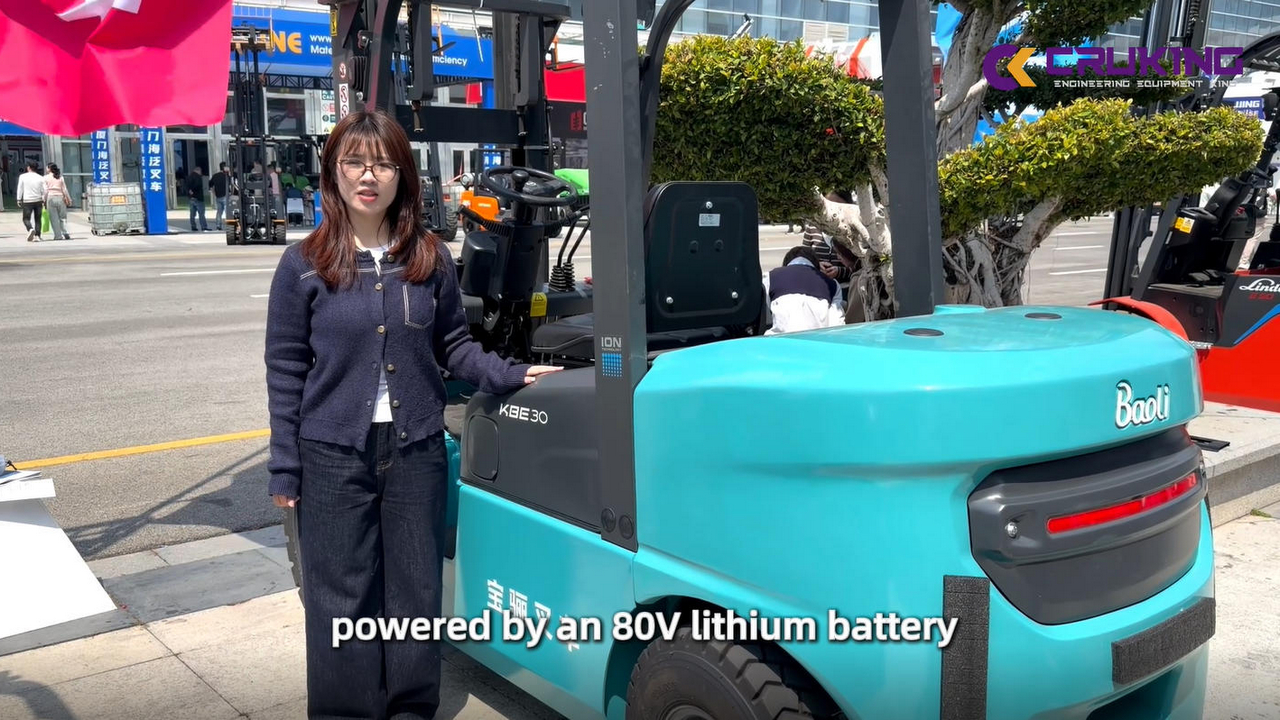
BAOLI KBD30 Electric Forklift: Serious Power in Every Lift
2021-06-27
2021-09-30
2021-01-13
2021-01-14
2021-12-31
2021-12-14
2021-08-10
2021-01-15

+86-592-6166-299
+86-592-6166-299
+86-157-3713-7170
+86-158-0192-8370
Suite 1602, Qinggong Building, No. 366 Hubin South Road, Siming District, Xiamen City, Fujian Province, China